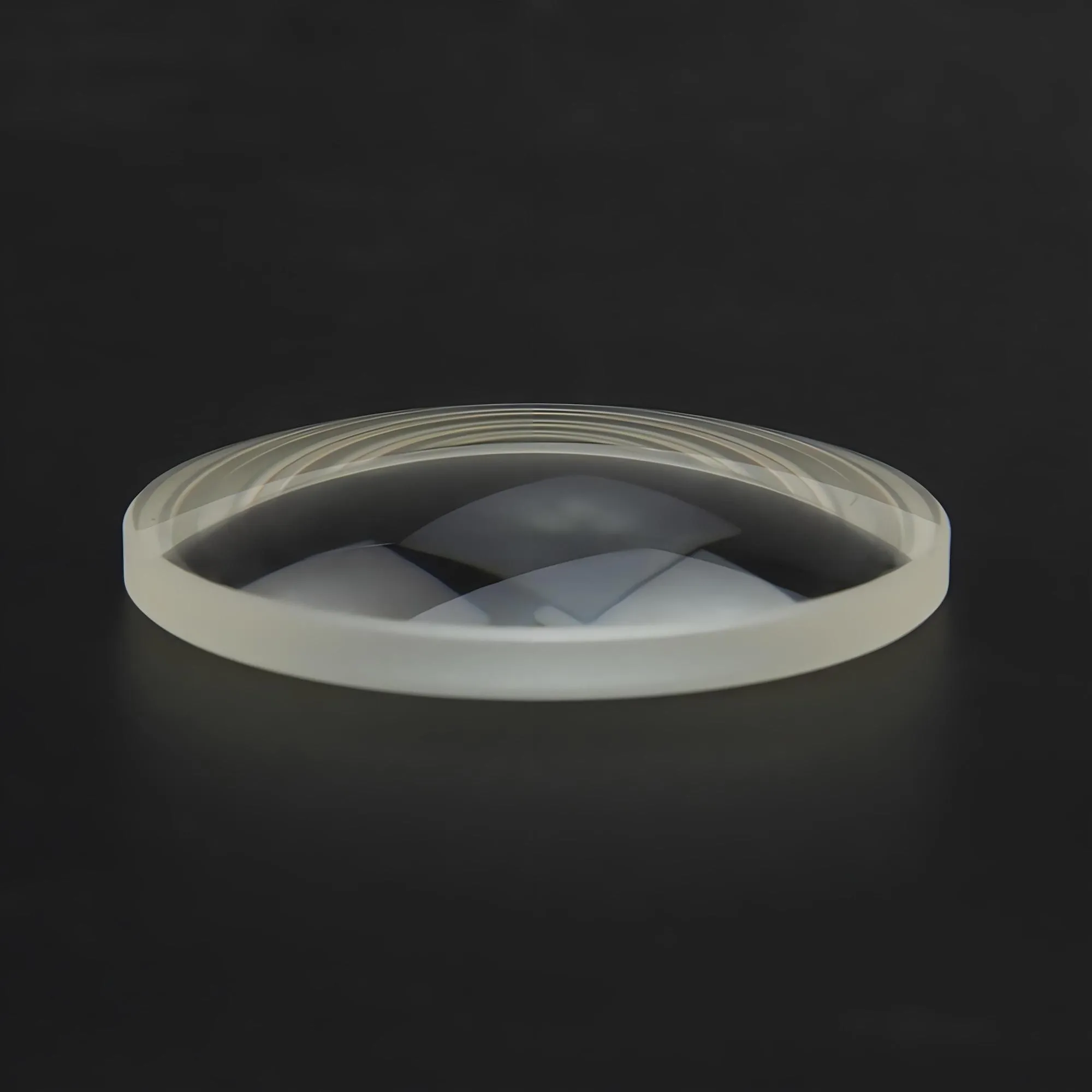
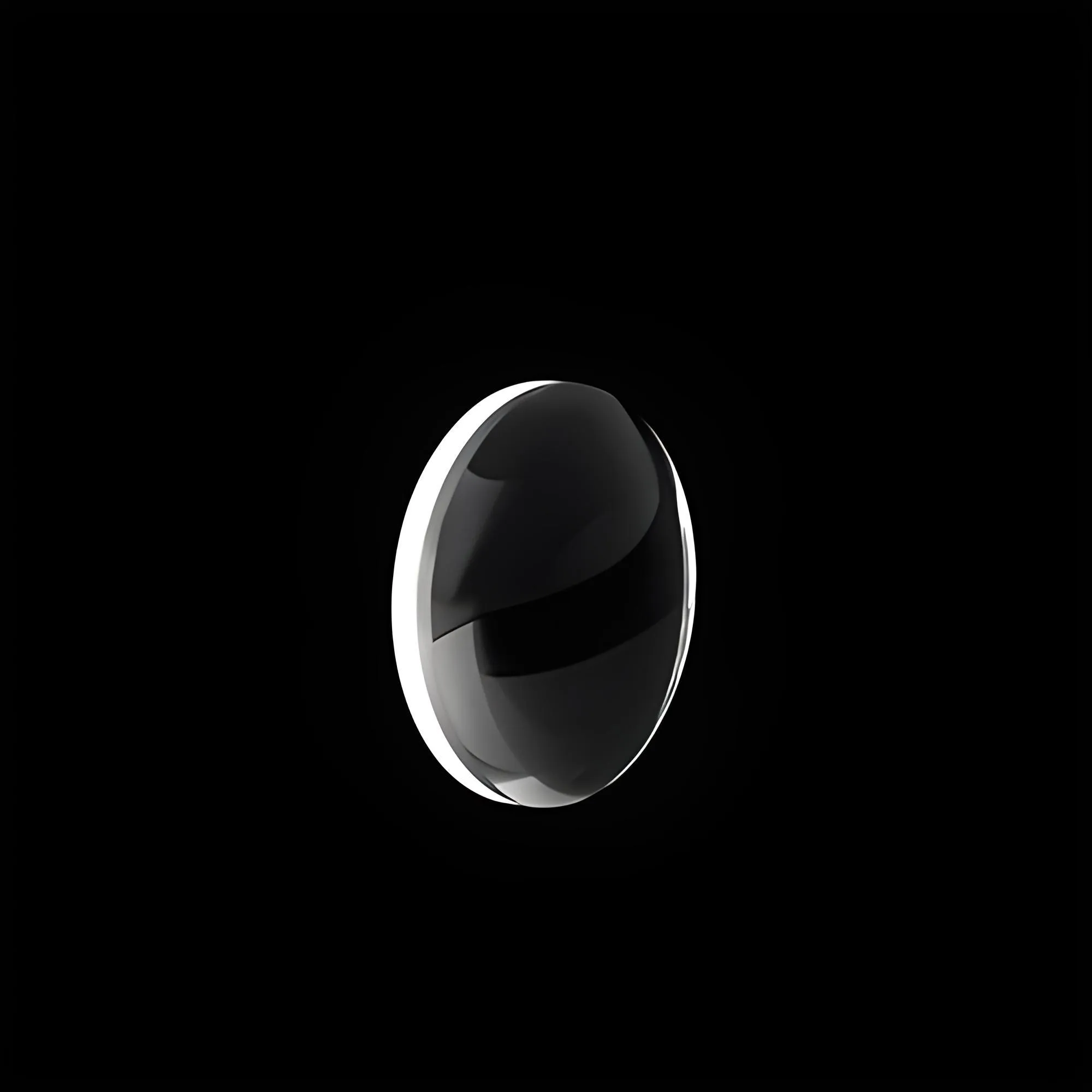
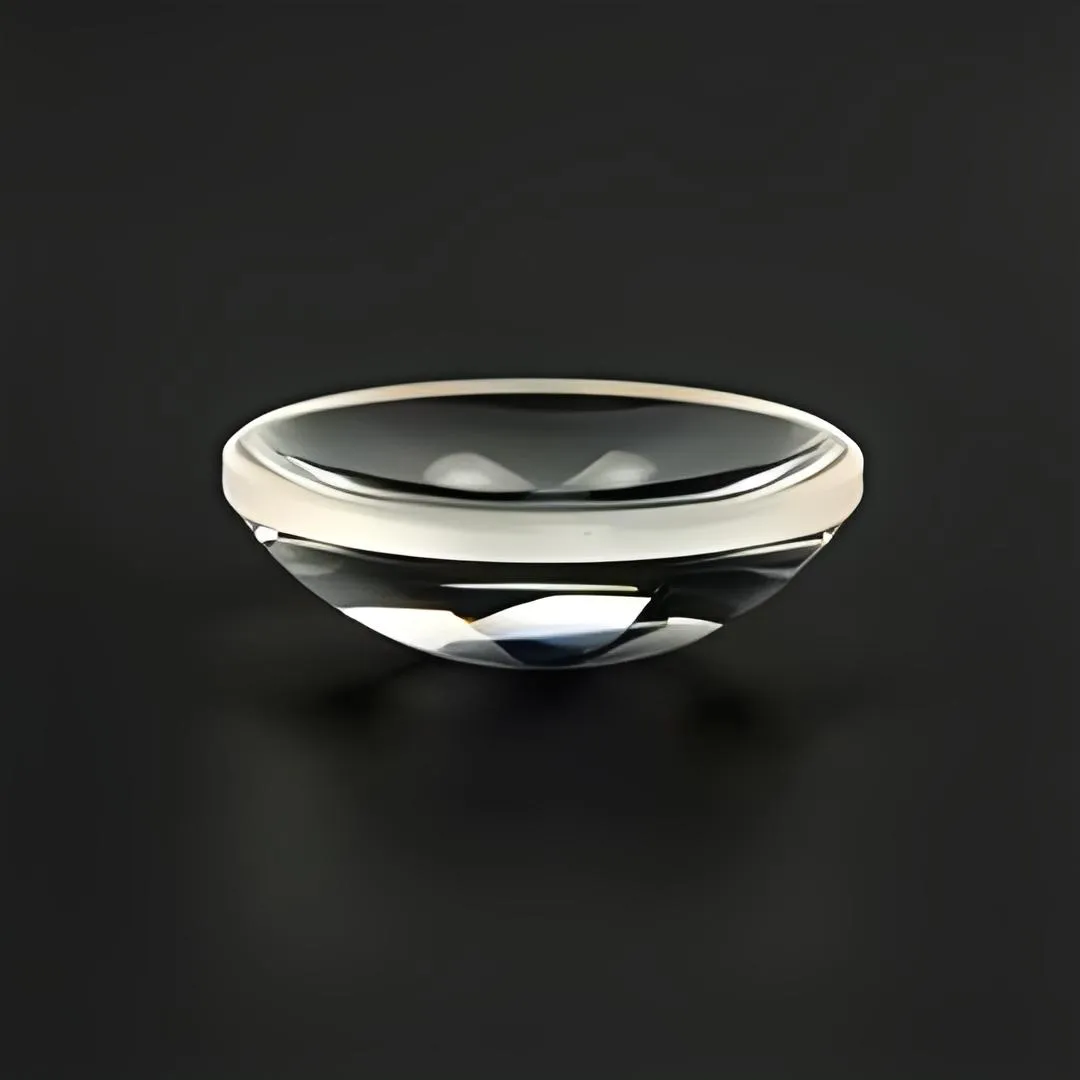
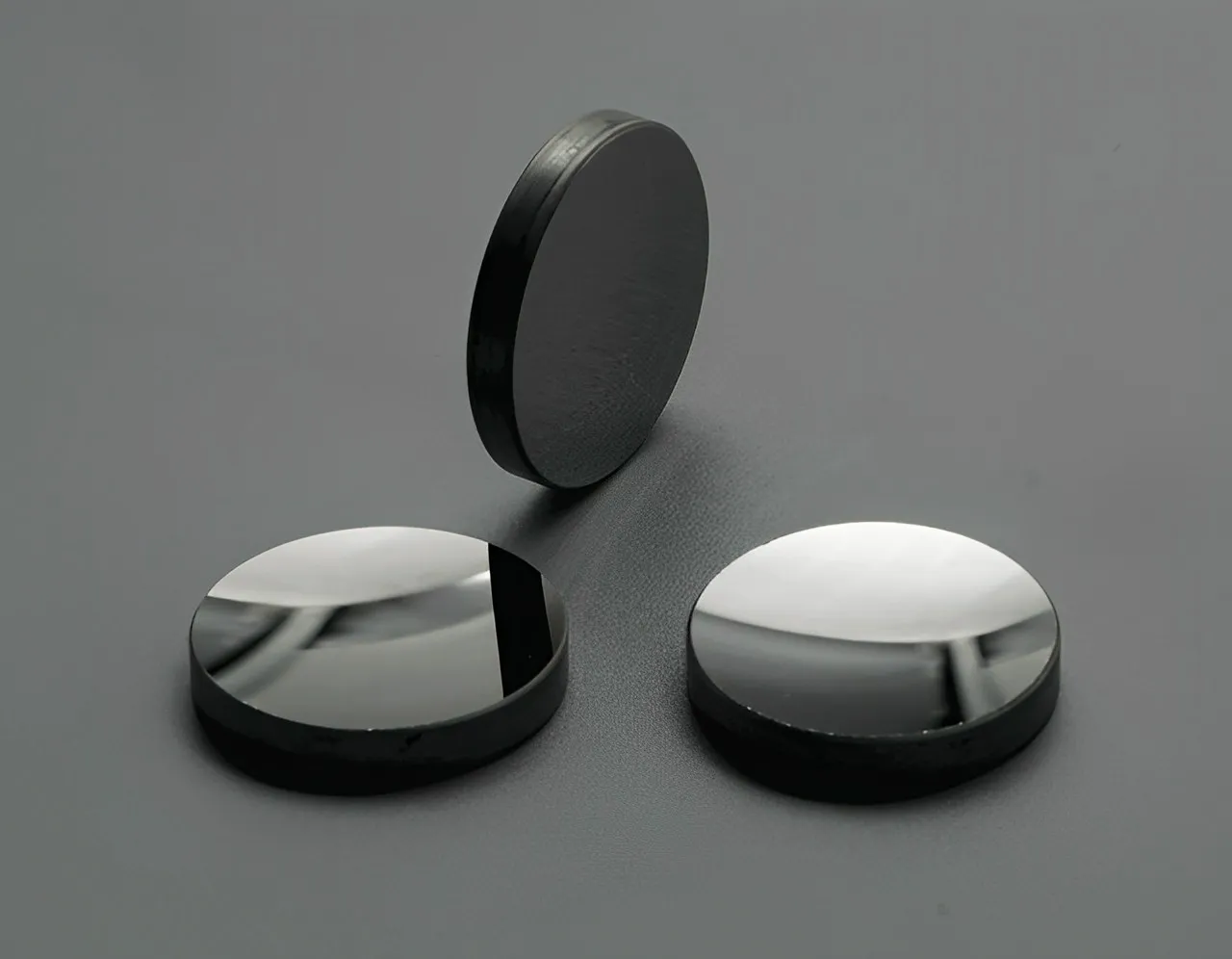
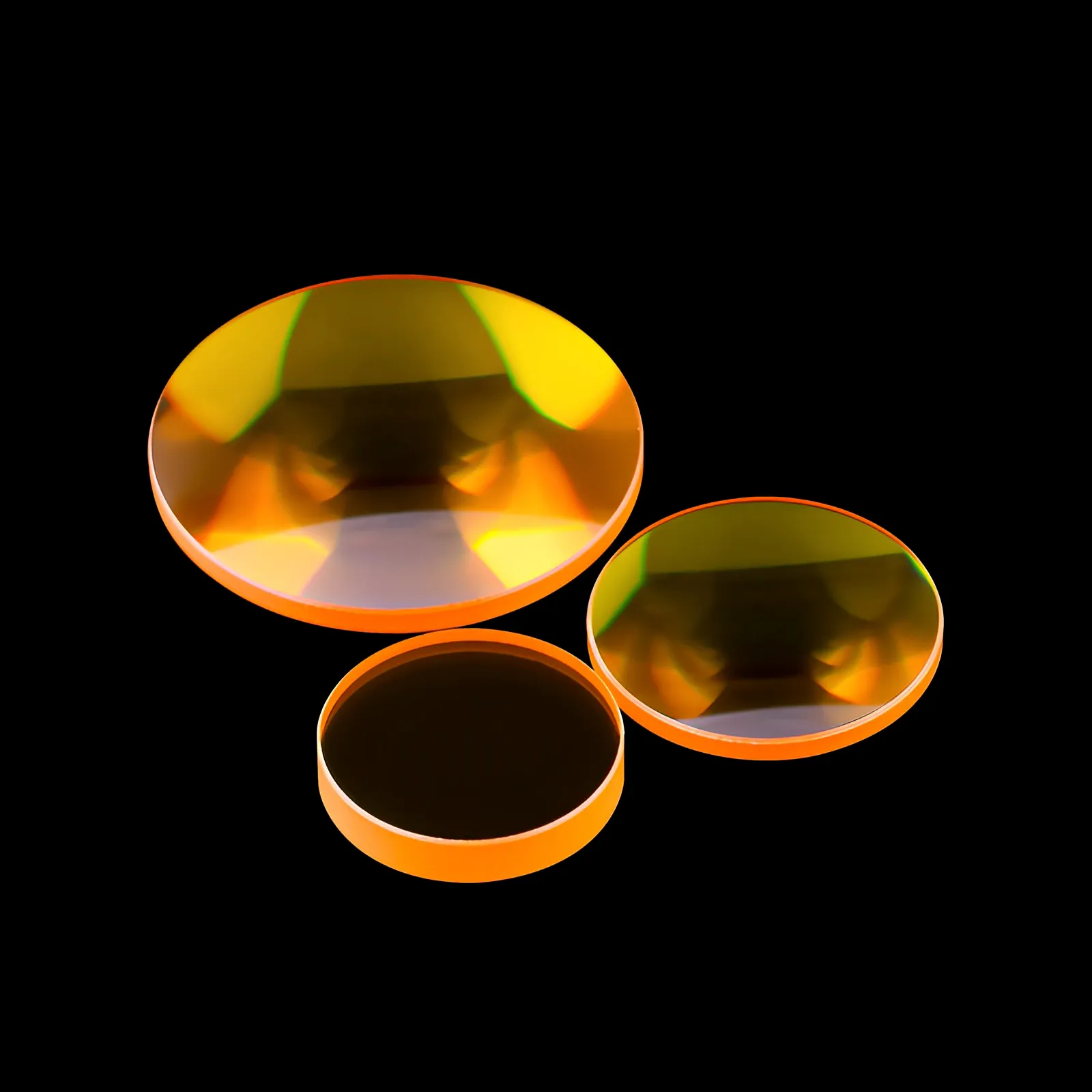
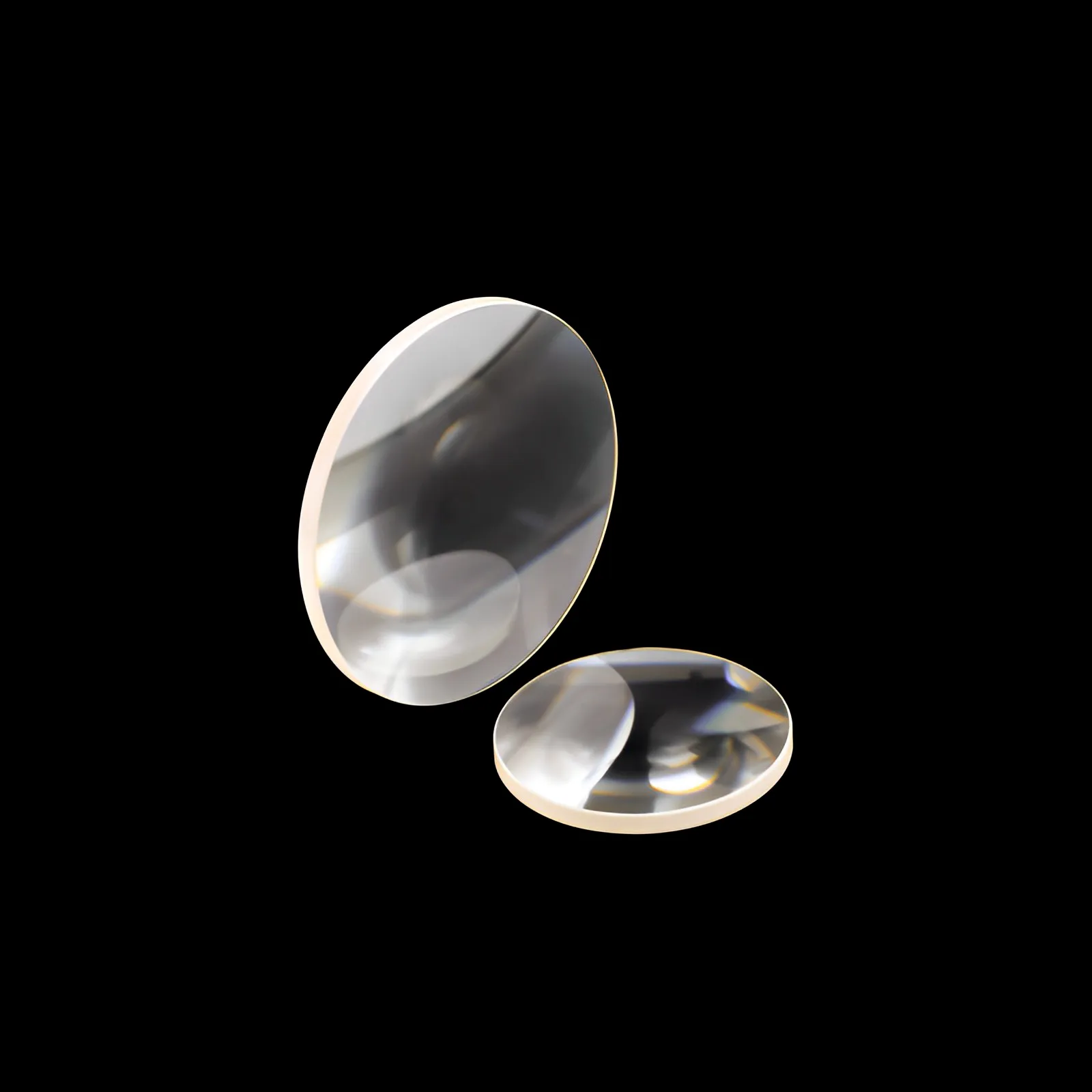
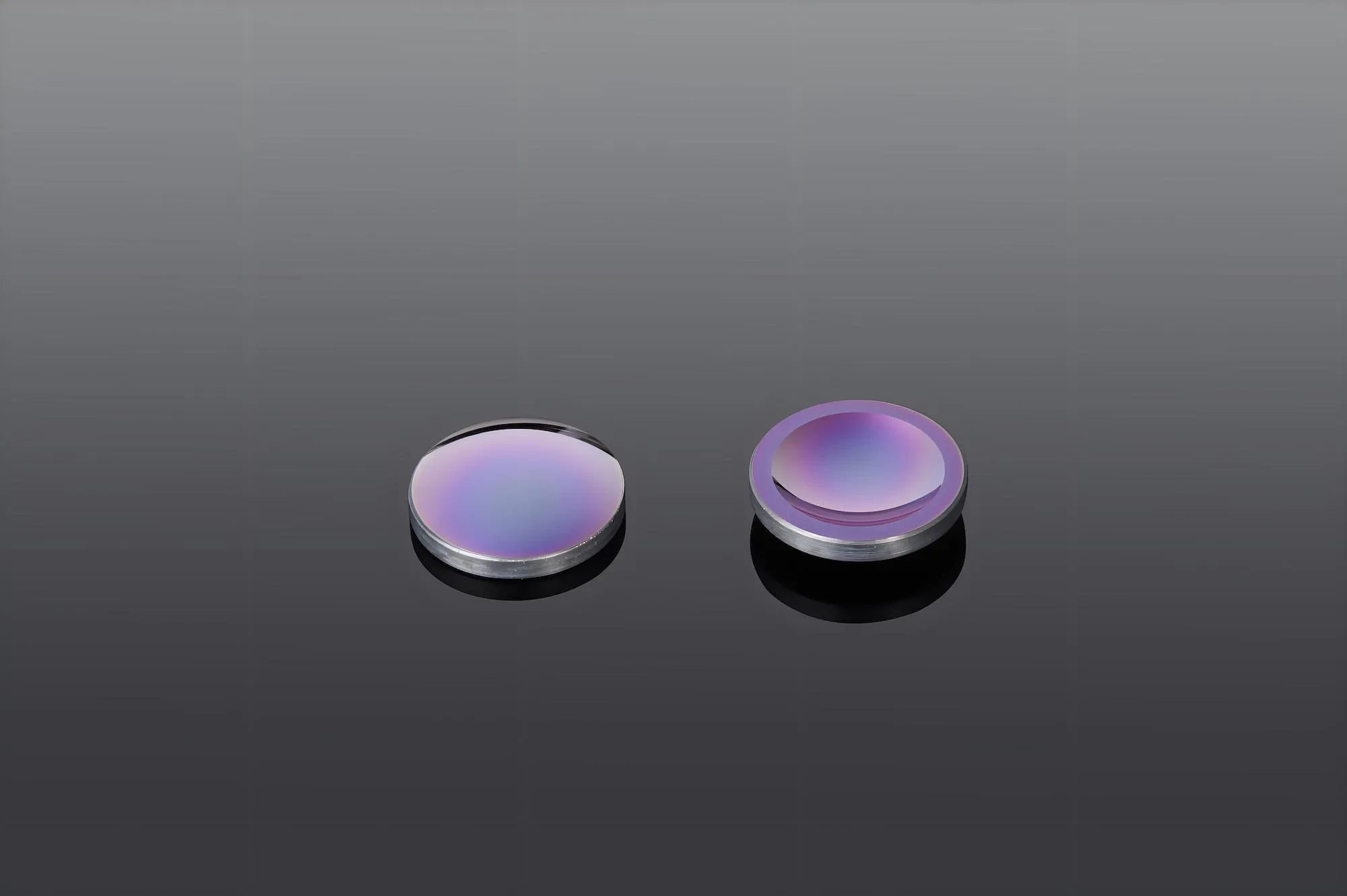
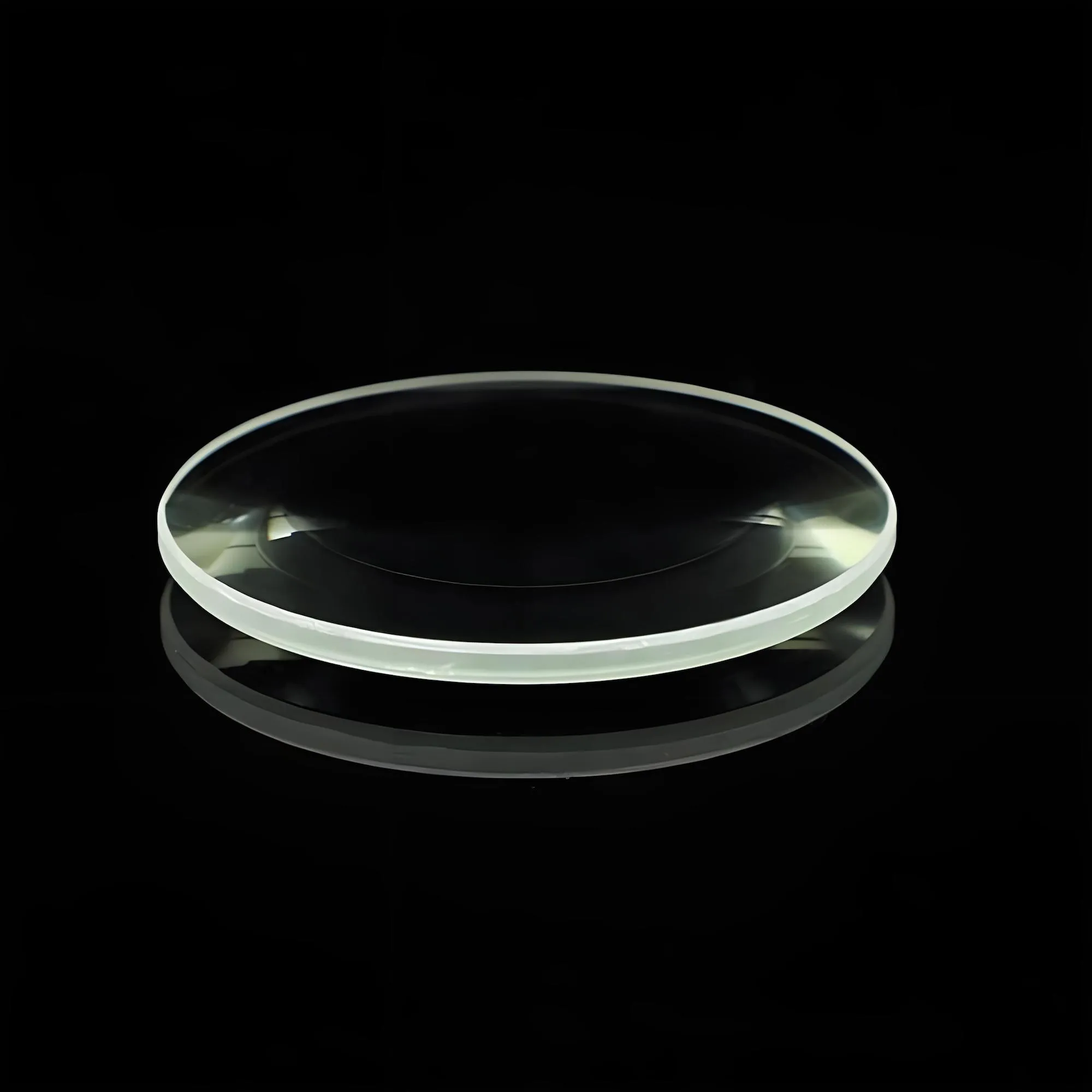
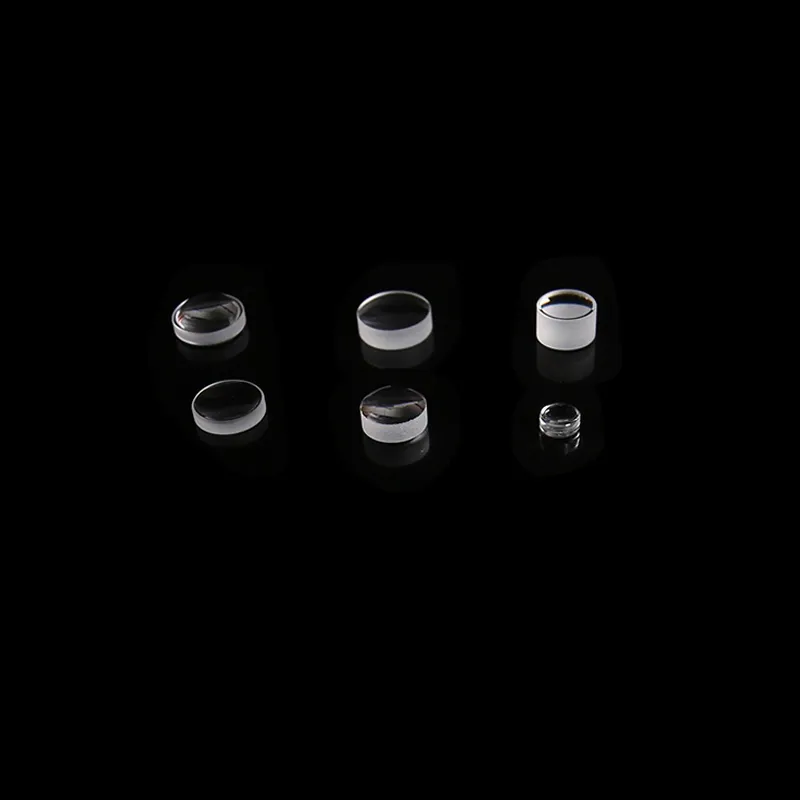
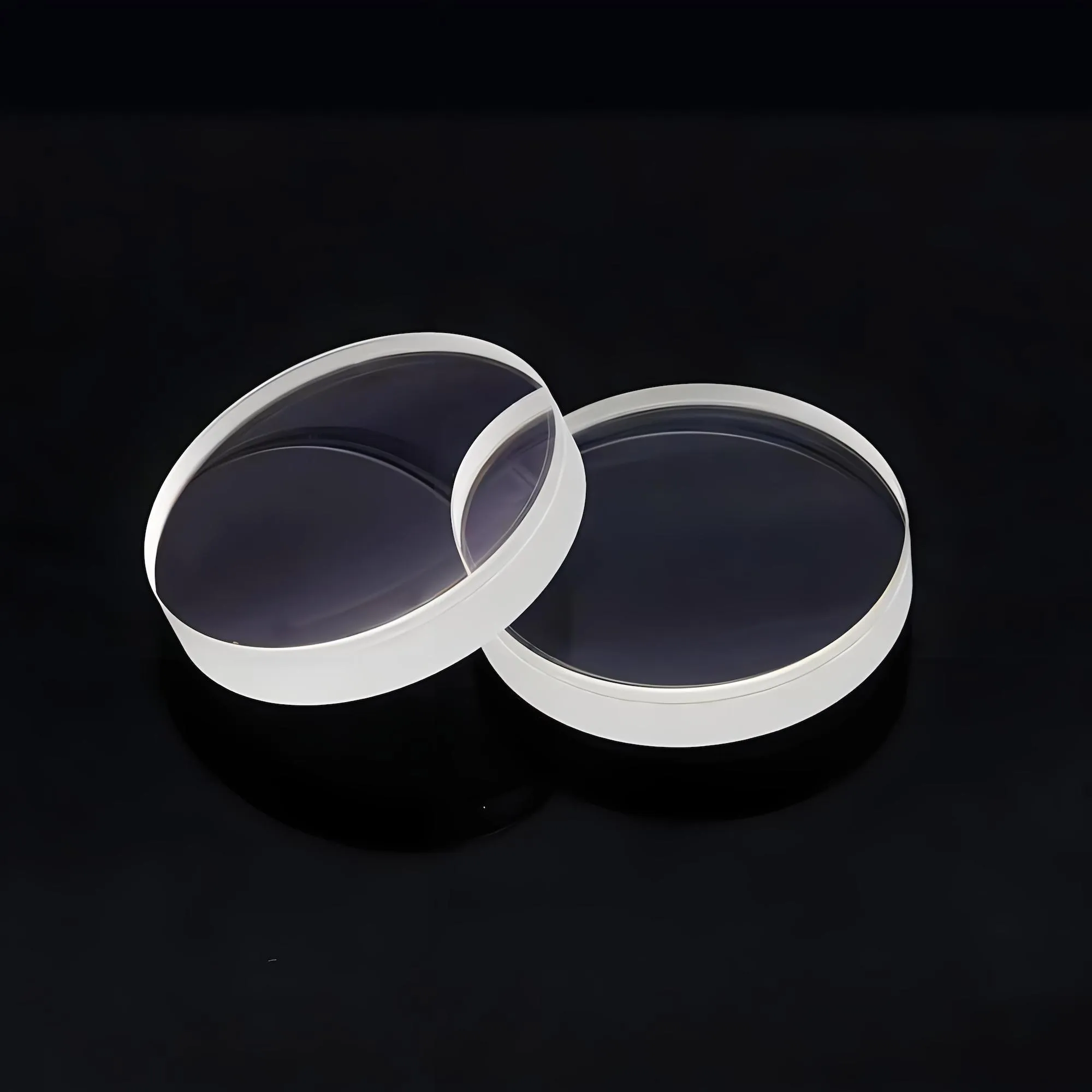
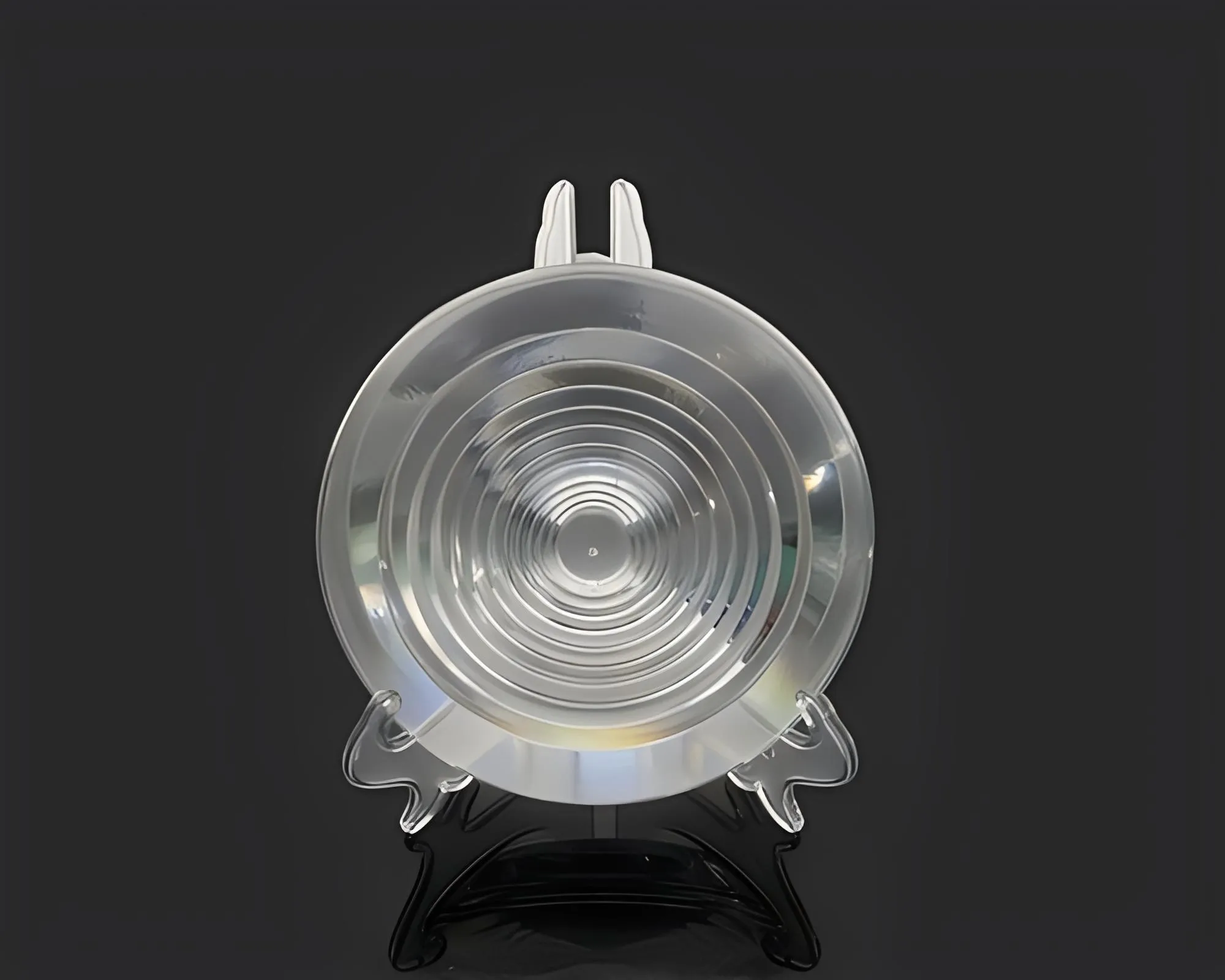
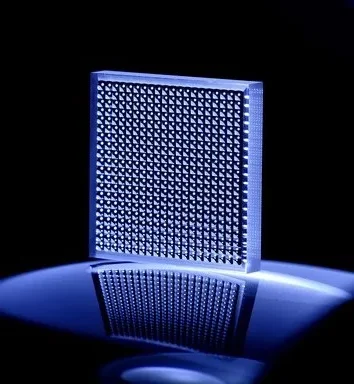
Chineselens Optics will be your most reliable optical products manufacturer in the next 10 years

Custom Optical Lens Manufacturer in China — ISO 9001 Certified

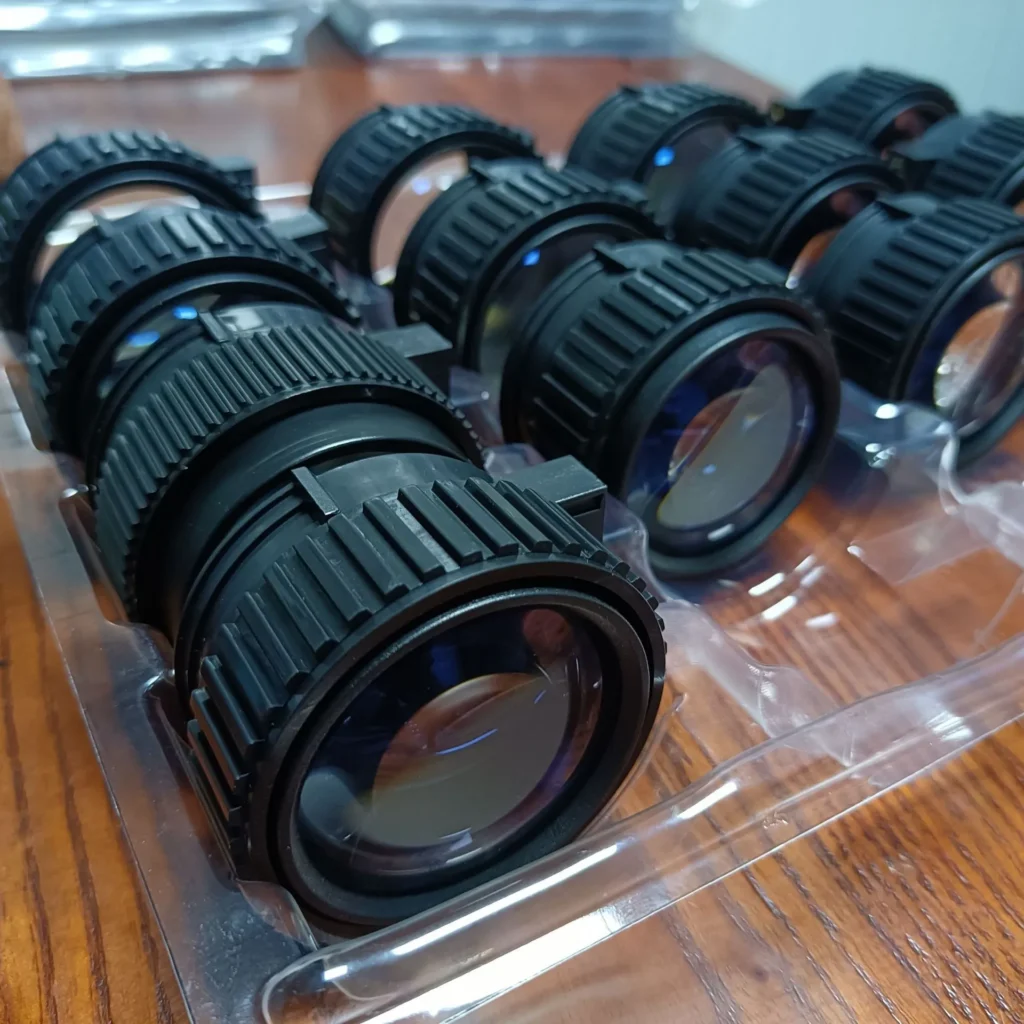
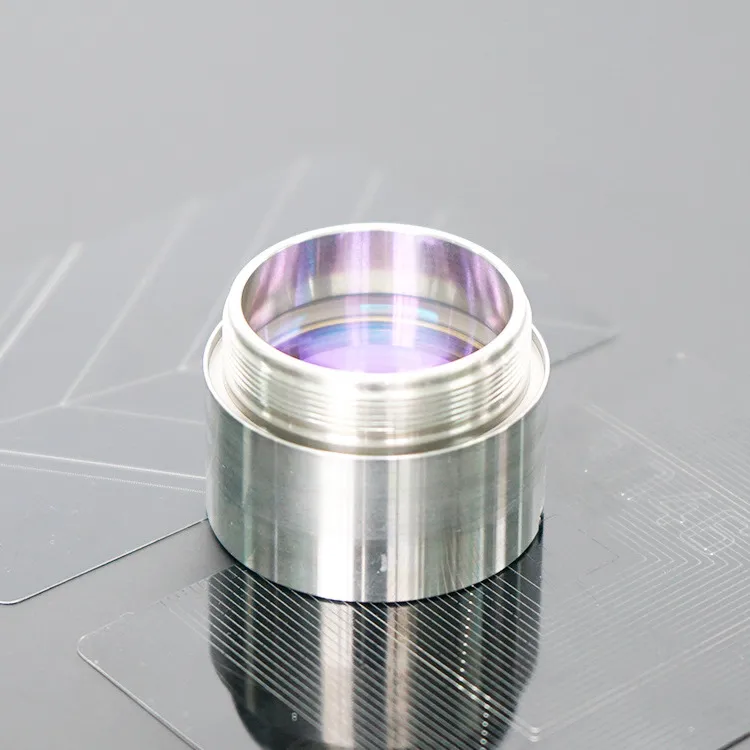
Chineselens Optics Co., Ltd., backed by Yancheng Tiandi International Trade Co., Ltd. (est. 2001, ISO 9001:2015 certified), is an innovative technology company integrating R&D, production and trade. Since 2017, we have supplied precision optical components to OEM customers in 24 countries across industrial laser, machine vision, medical imaging, defense and research markets. All manufacturing takes place at our own factory, covering spherical, cylindrical, aspheric, coating and assembly capabilities.

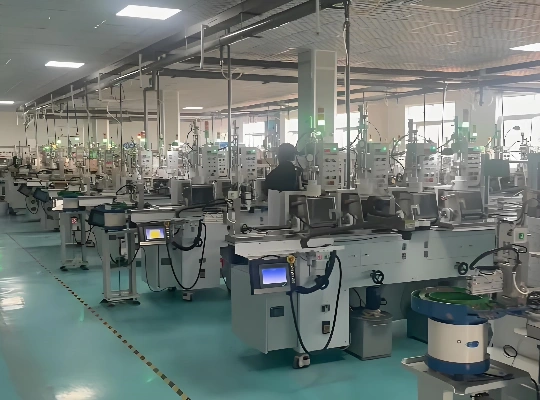
Chineselens optical lens manufacturing facilities in China

Optical Lenses

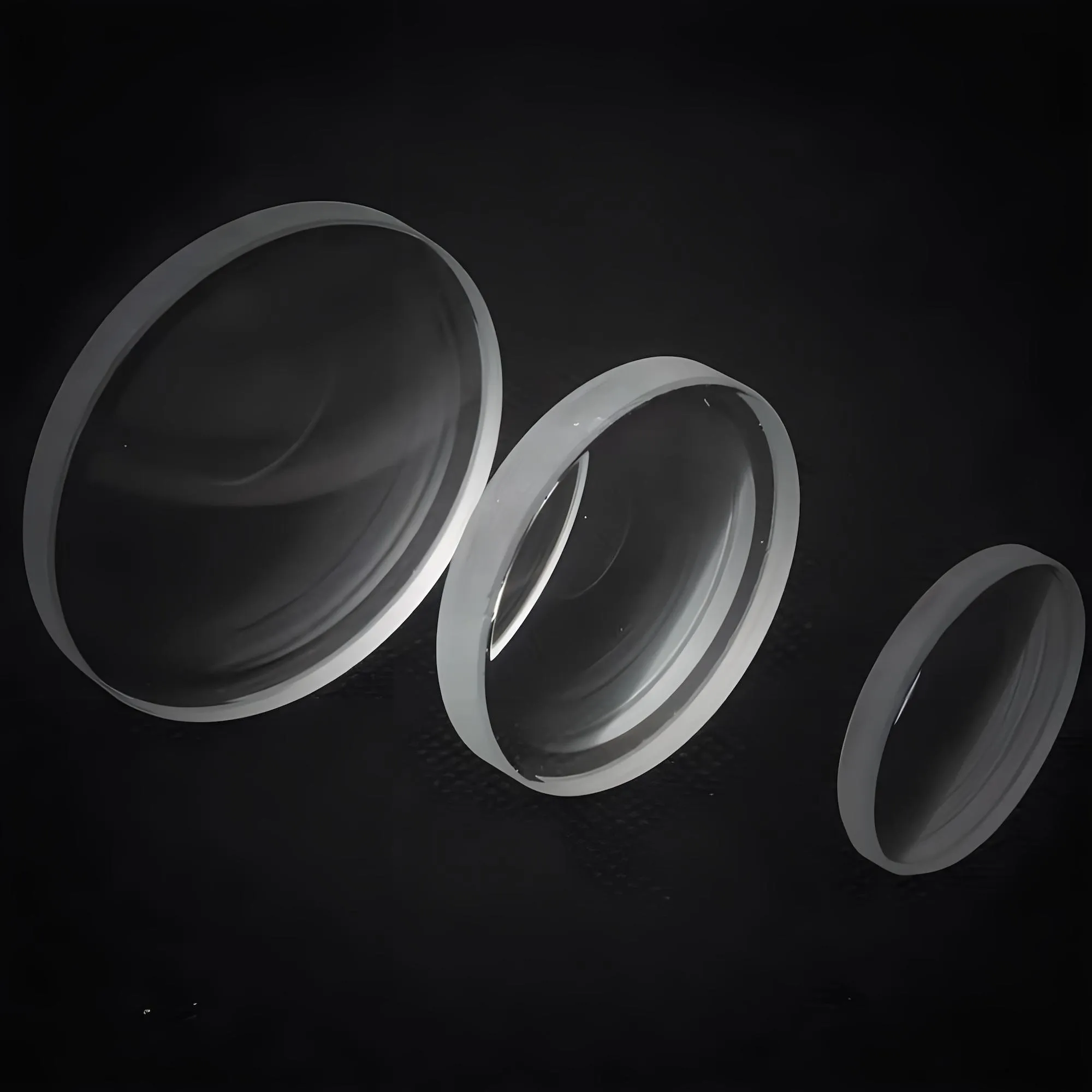
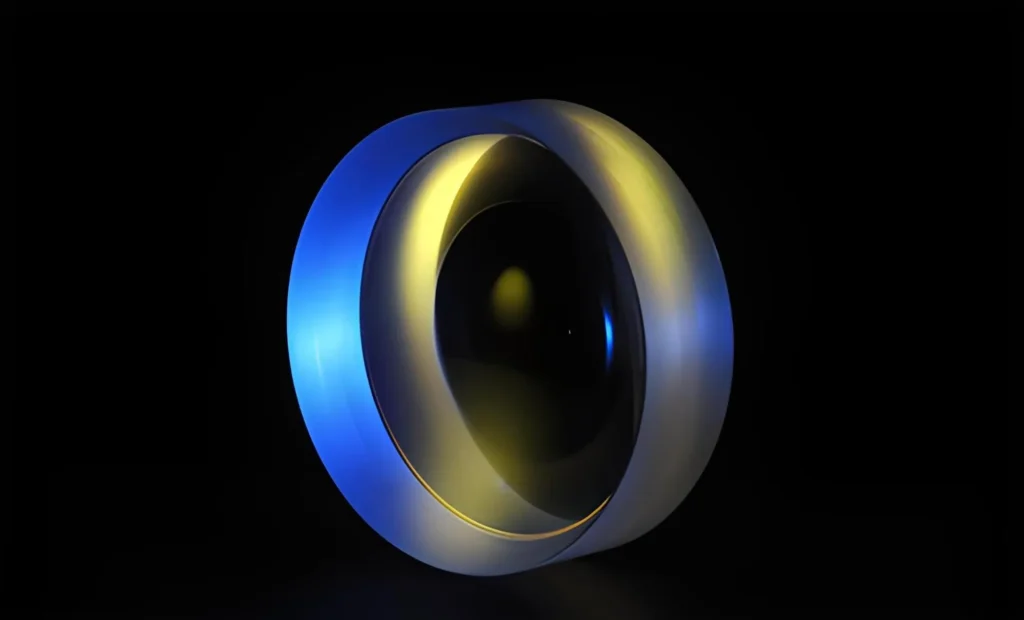
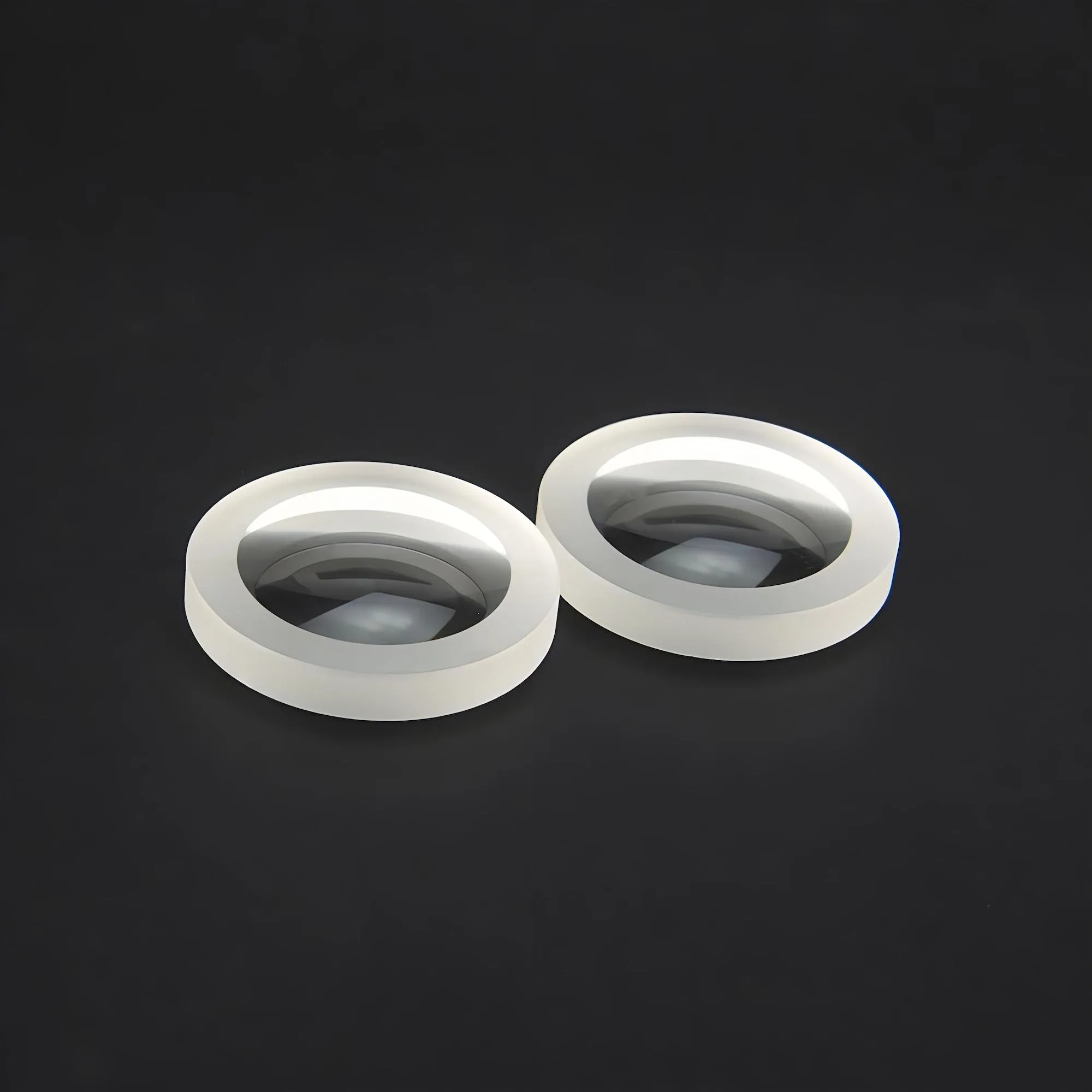
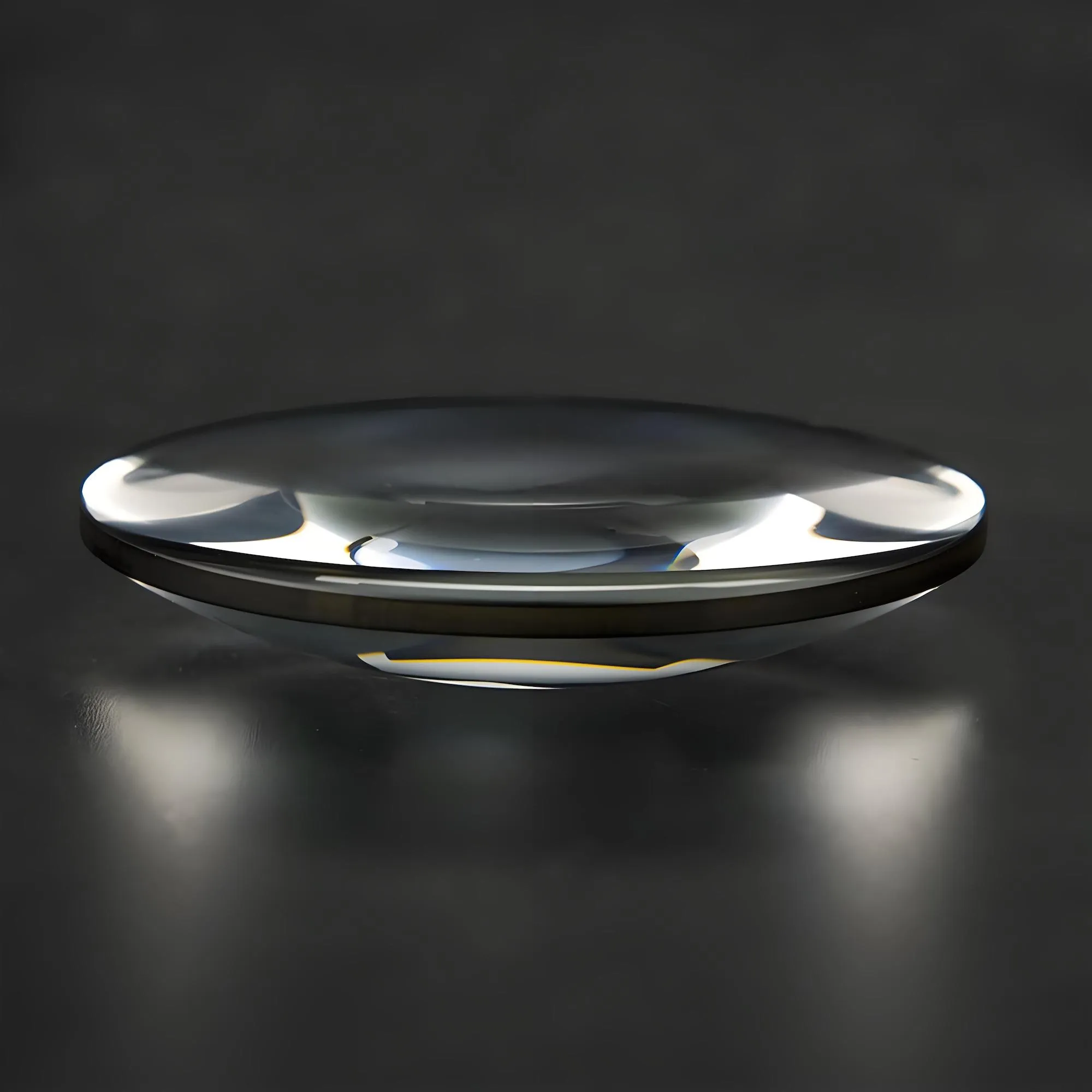
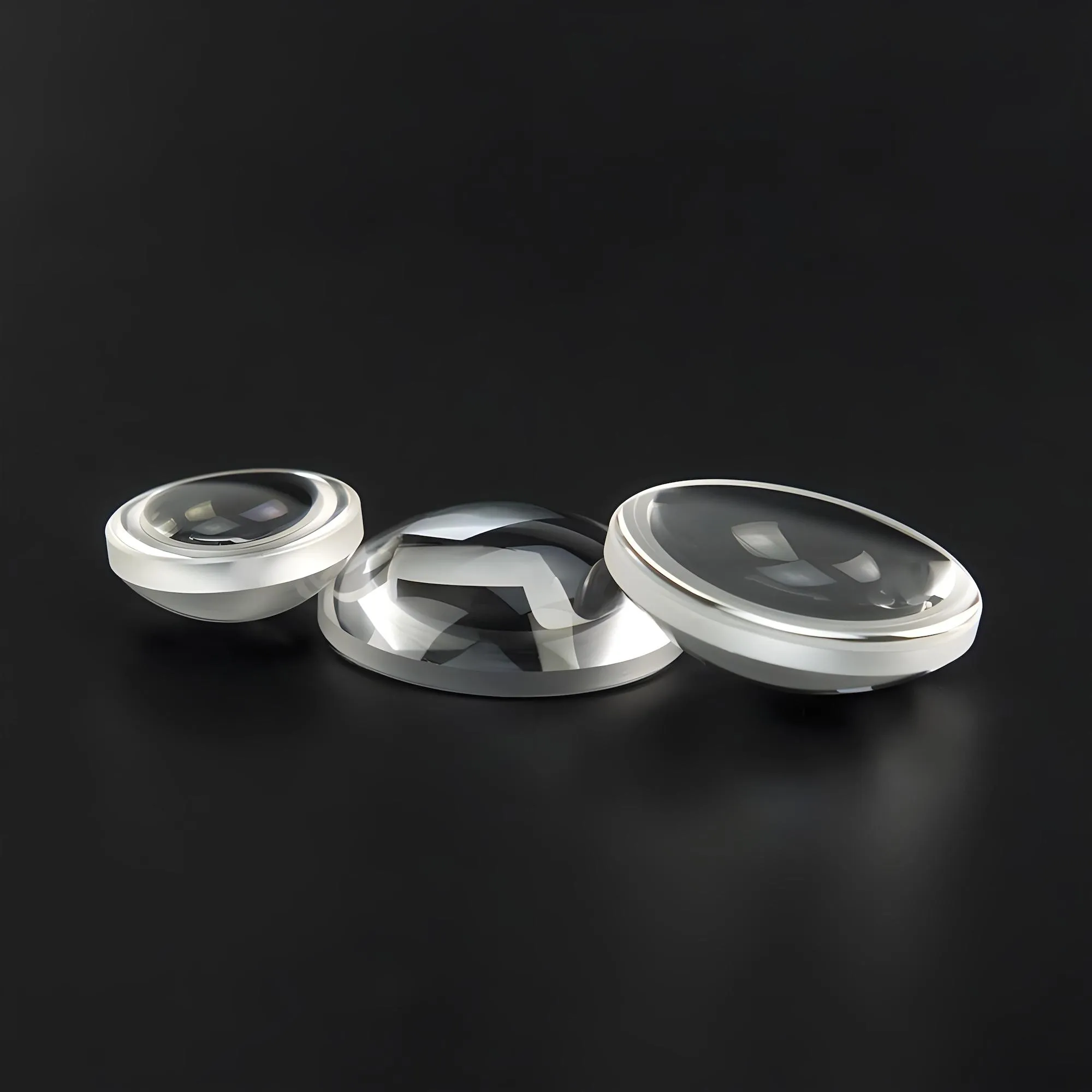
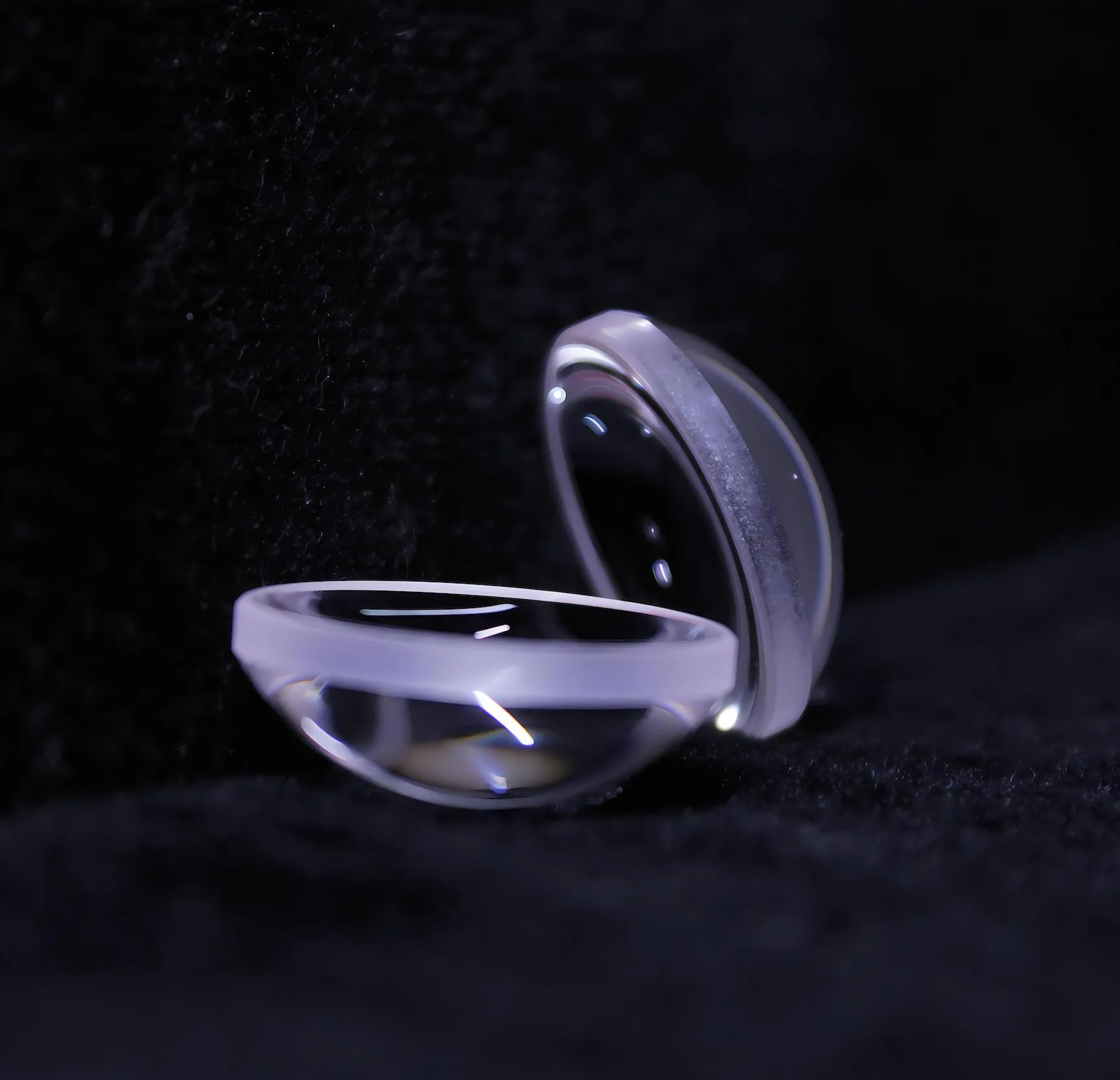
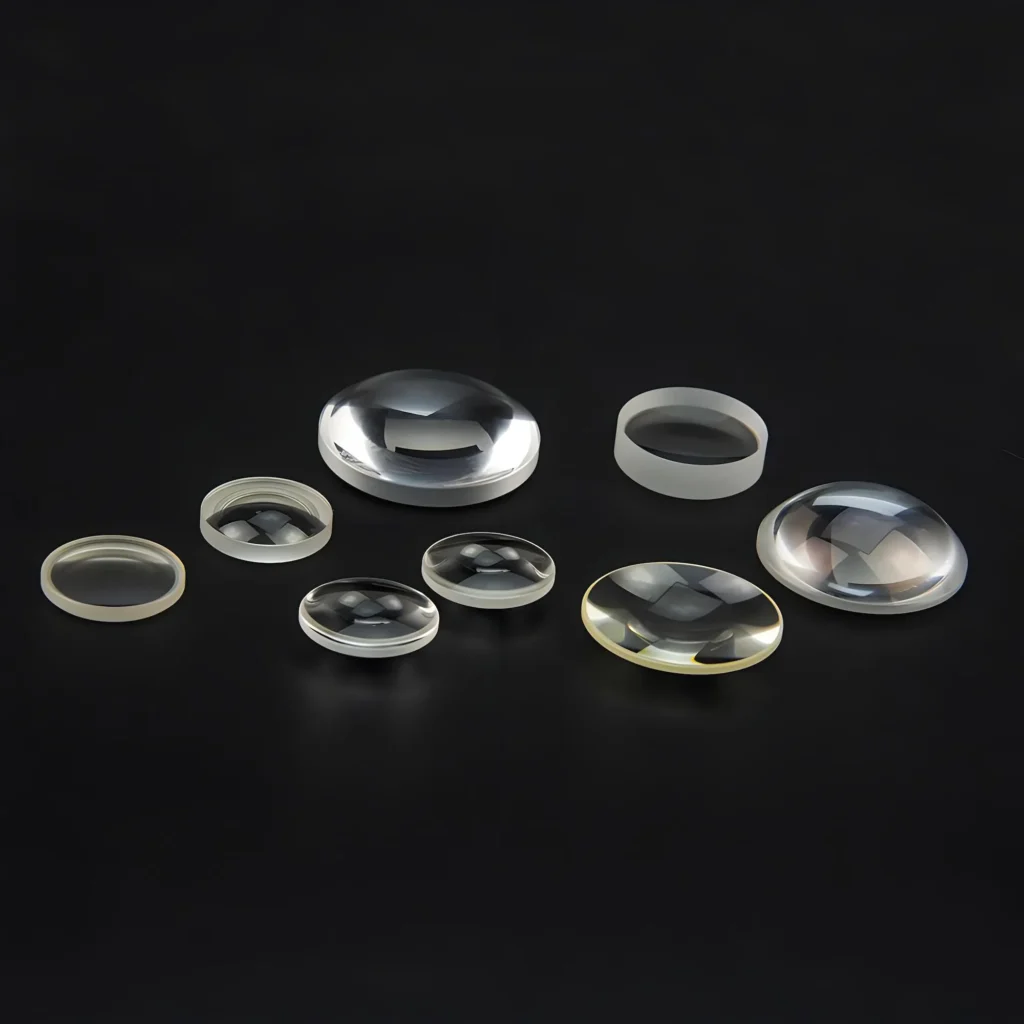
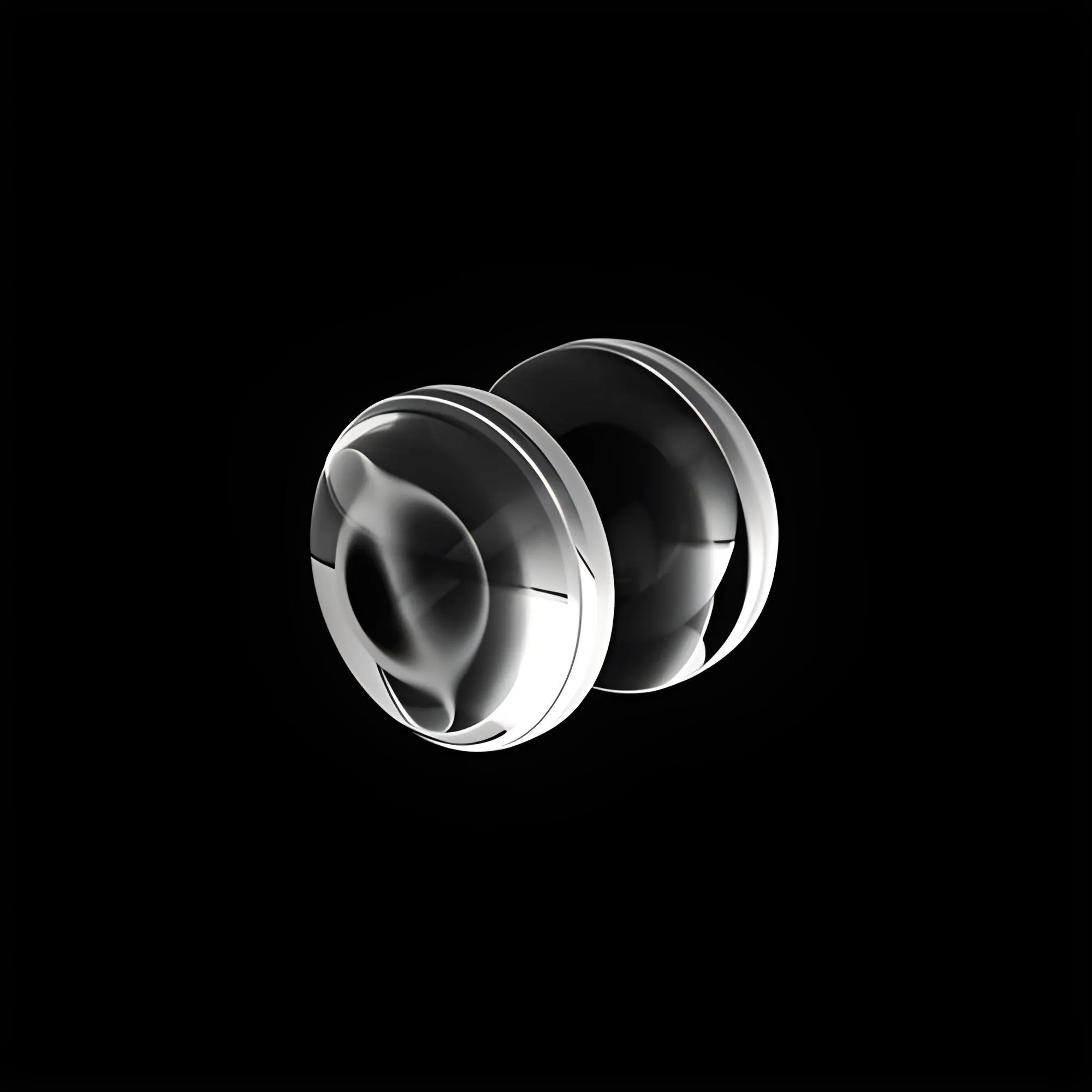
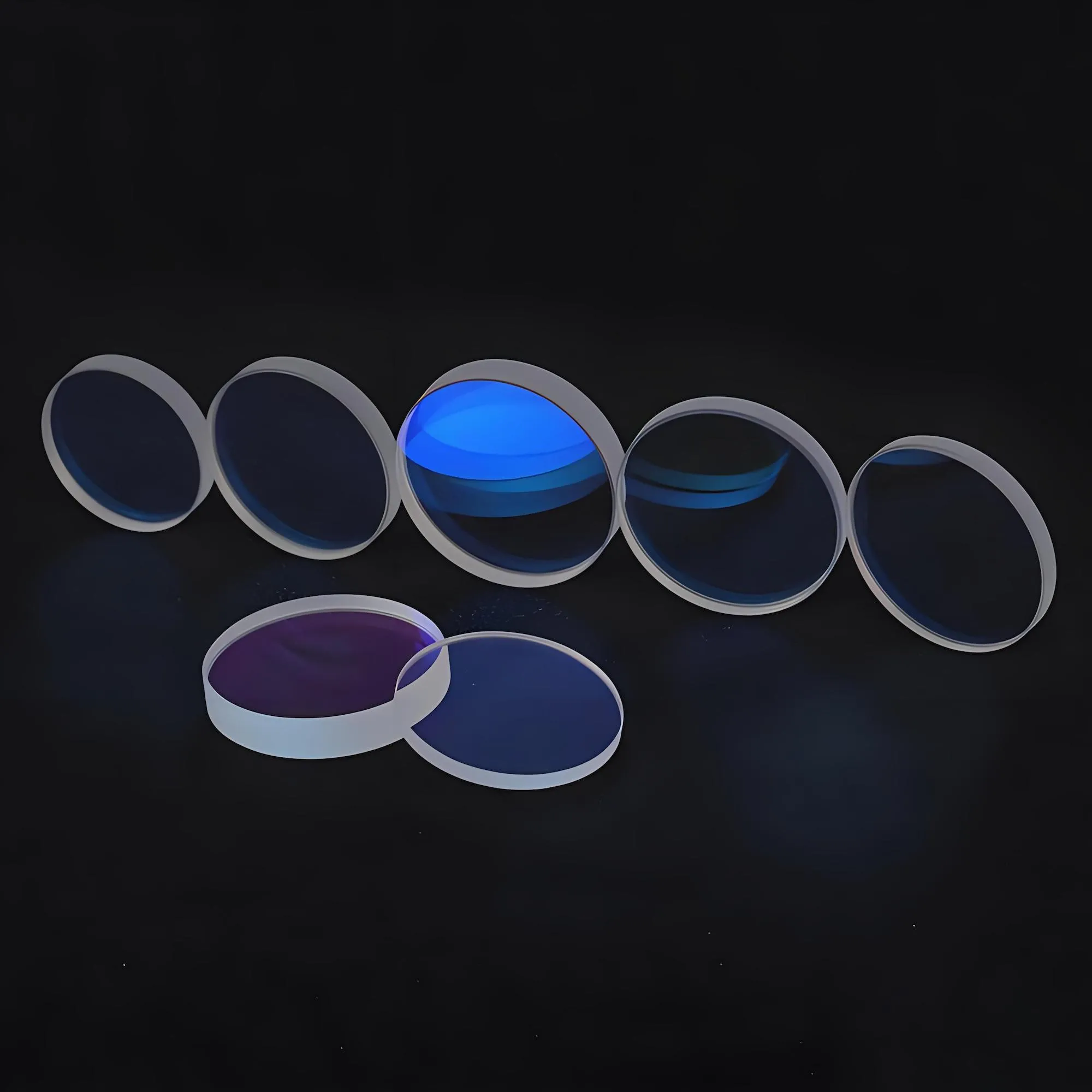
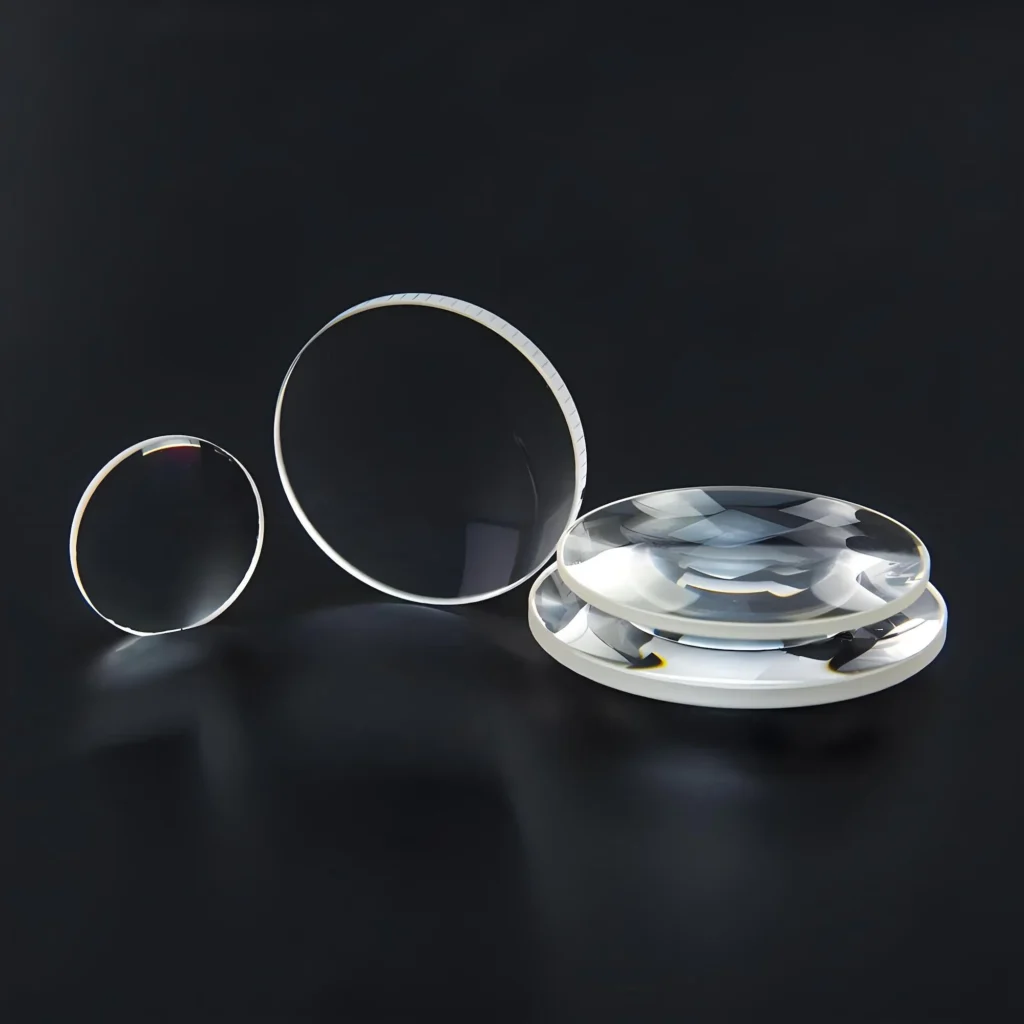
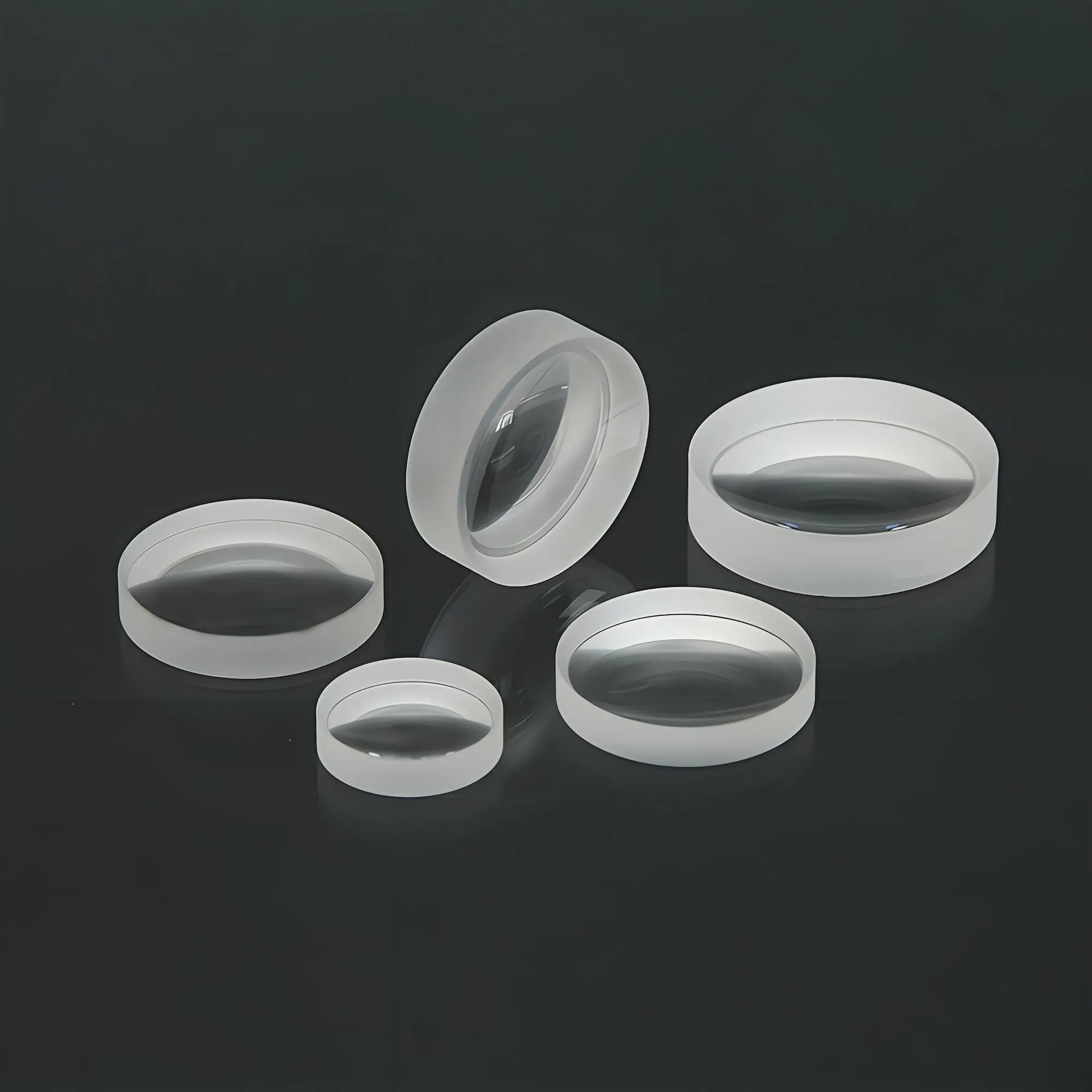
Optical lenses are devices that change the path of light by focusing or diverging, and are an integral part of everyday life. Whether it’s a single lens or a glued lens, it works by changing the light. As the light moves across various materials, the Angle of refraction changes accordingly, thereby redirecting the light. Optical lenses can both focus light and disperse it. When used with other optical components and coatings, it can maximize its role.Optical lenses can both focus light and disperse it. When used with other optical components and coatings, it can maximize its role.

Optical Lenses By Shapes

plano concave lens

Plano Concave Lenses

These lenses are thinner at the center than at the edges, designed to diverge light rays passing through them. They’re often used for beam expansion and light projection.

plano convex lens

Plano Convex Lenses

These lenses are thicker at the center than at the edges and designed to converge or focus light in optical systems. They’re commonly used in telescopes, microscopes, and collimators.

double concave lens

Double Concave Lenses

These lenses, thinner at the center than at the edges on both sides, diverge incoming light. They’re typically used in beam expansion, and spreading light or images.

double convex lens

Double Convex Lenses

These lenses, thicker at the center than at the edges on both sides, converge incoming light. They’re popular in applications such as magnifiers, imaging systems, or laser collimation.

meniscus lens

Meniscus Lenses

Meniscus lenses have one concave side and one convex side, designed to minimize spherical aberrations. They’re often used in eyewear, camera lenses, and binoculars.

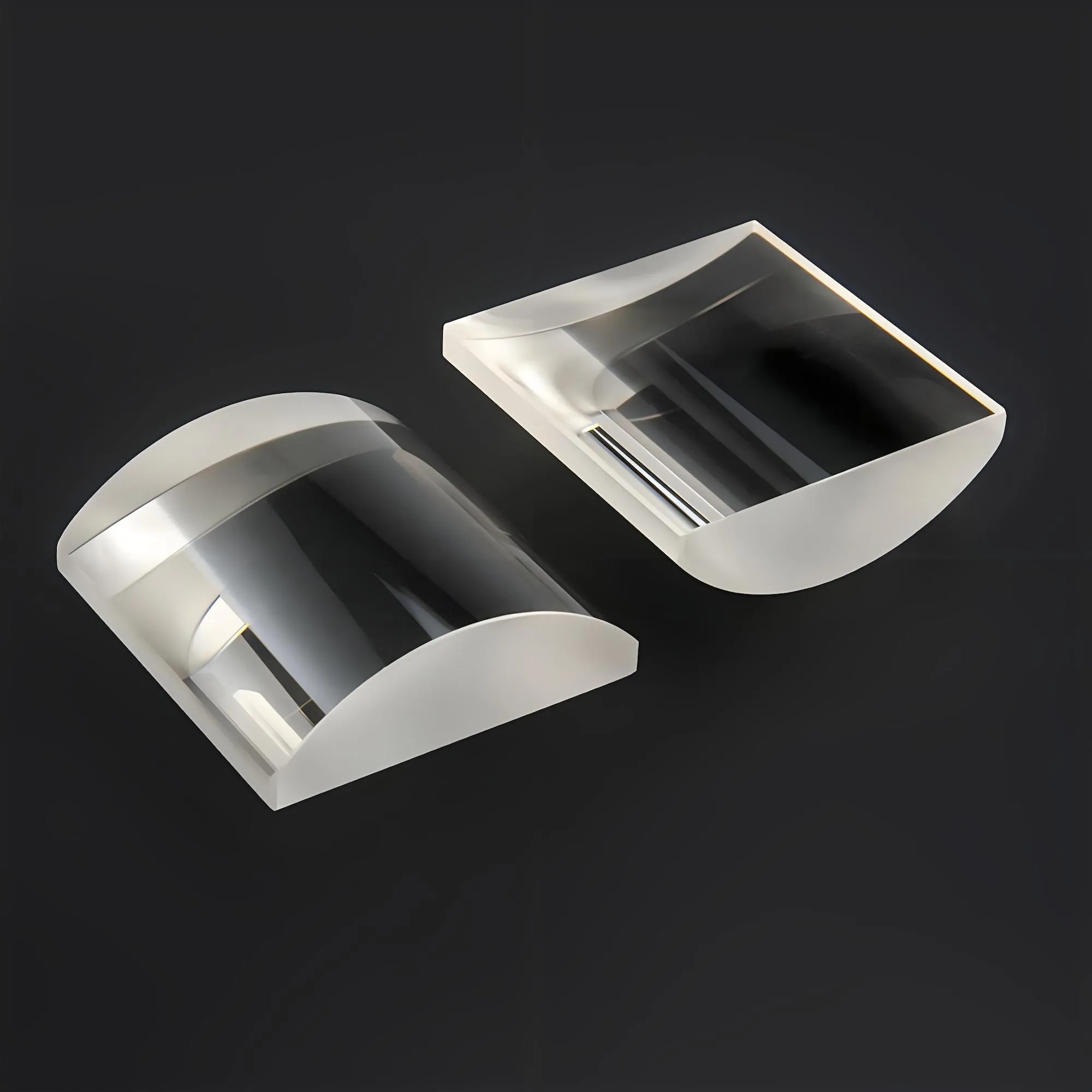
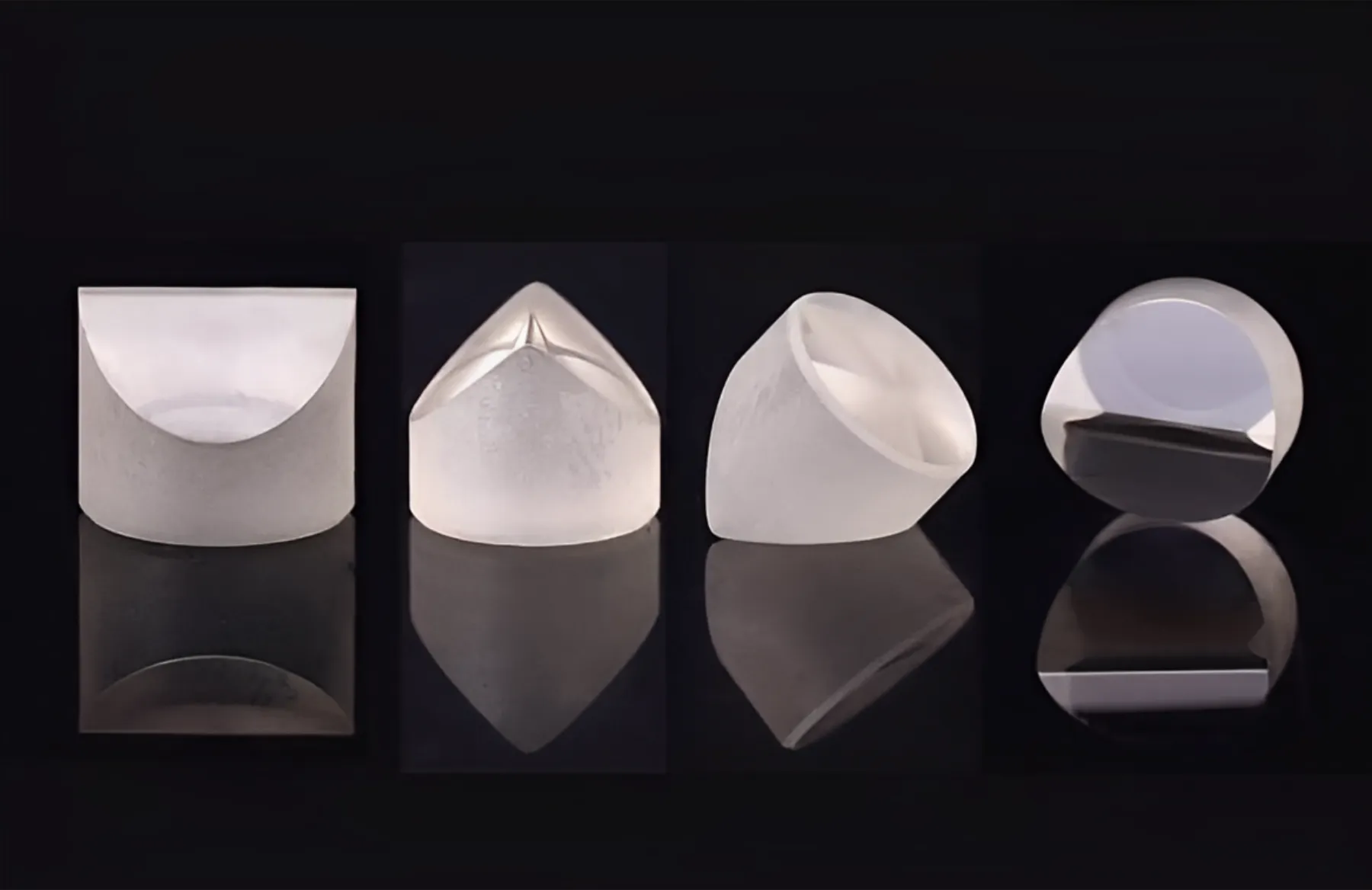
cylindrical lens

Cylindrical Lenses

Cylindrical lenses have curvature along one axis, allowing them to focus light into a line instead of a point. They are frequently used in applications such as laser line generation.

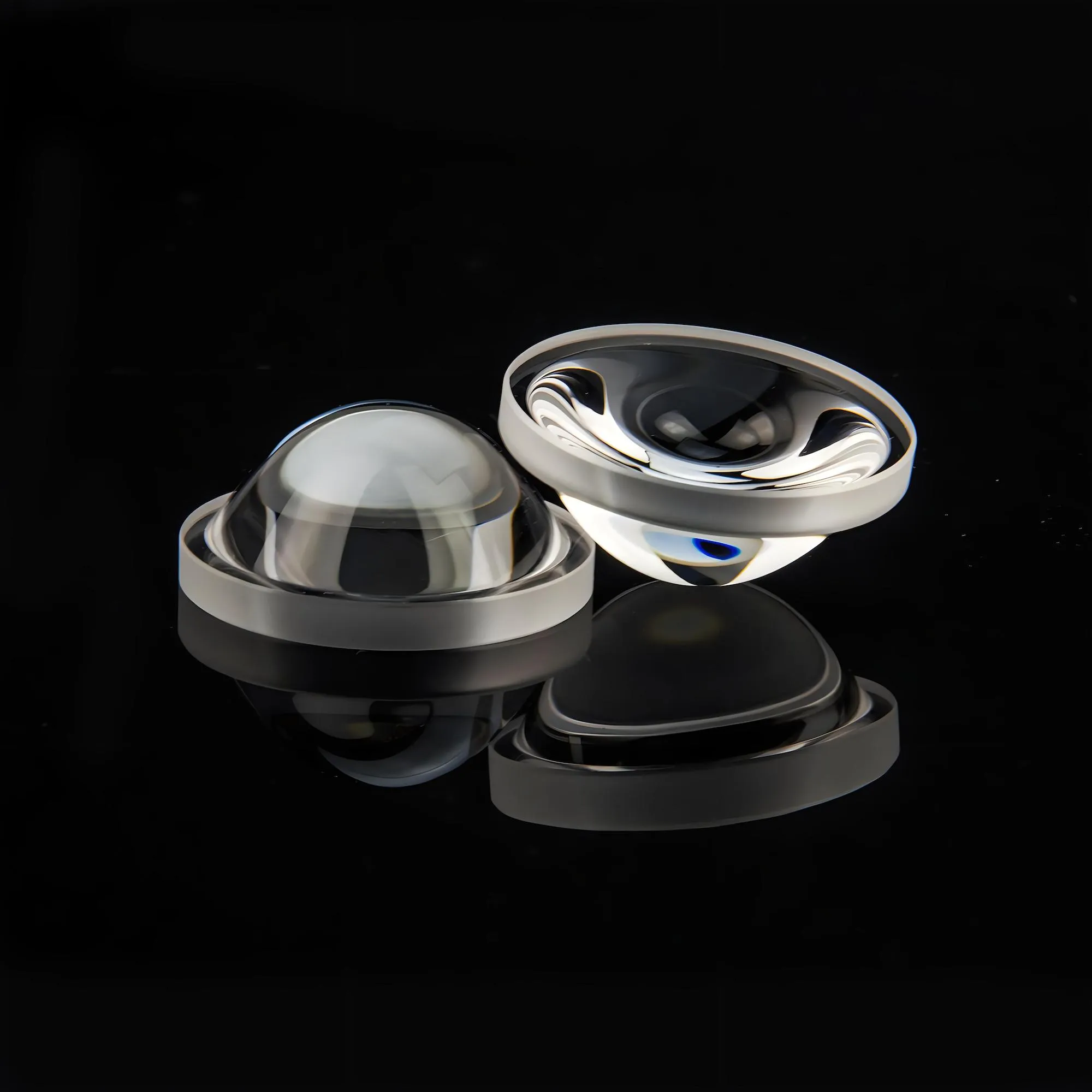
aspheric lens

Aspheric Lenses

Aspheric lenses deviate from a simple sphere shape to reduce aberrations and achieve better image quality. They’re used broadly in imaging applications, including camera and smartphone lenses.

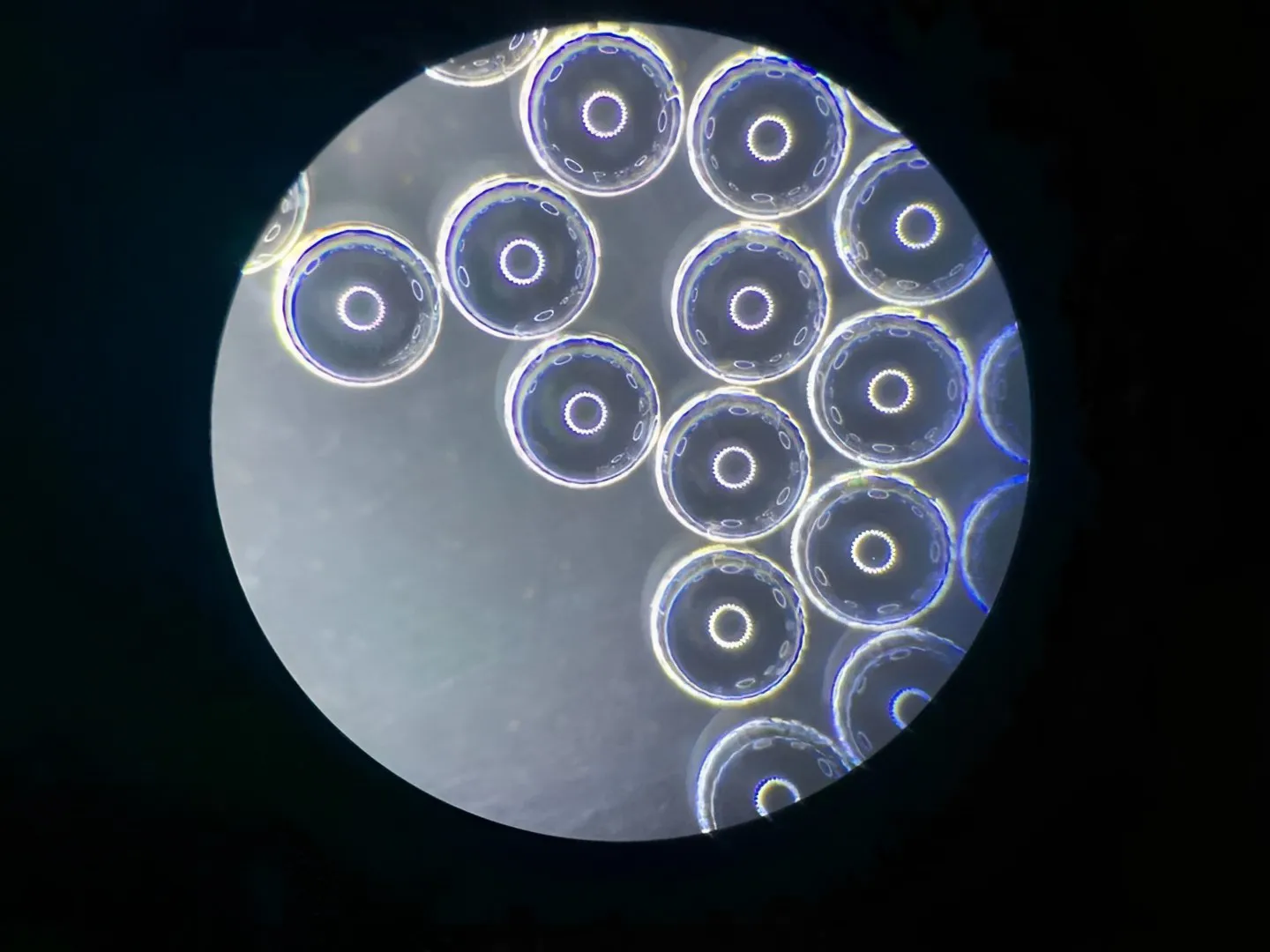
ball lens in microscopy

Ball Lenses

These are a full sphere-shaped lens, perfect for improving signal coupling between fibers, emitters, and detectors. They’re primarily found in endoscopy, bar code scanning, and optical fiber communication systems.

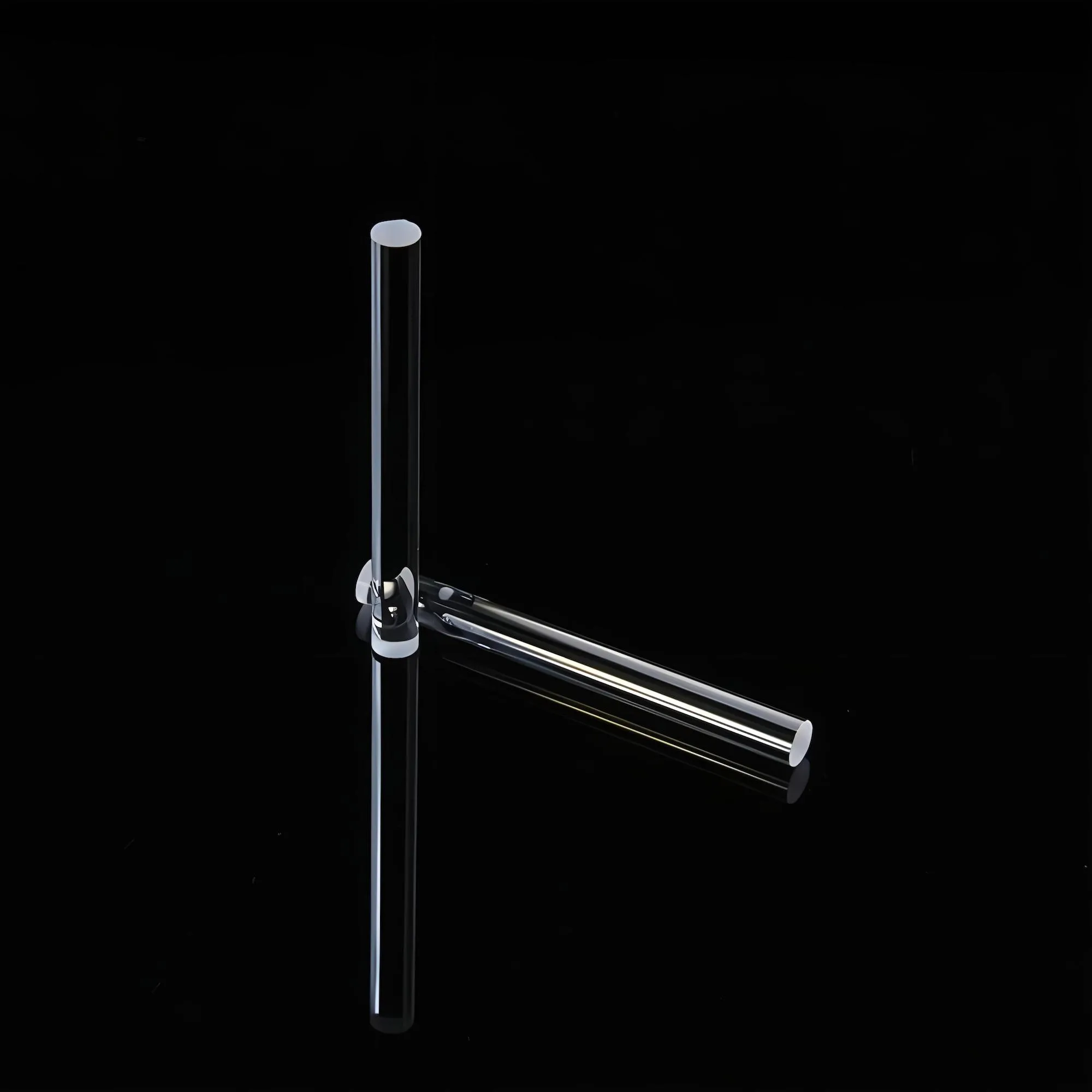
rod lens

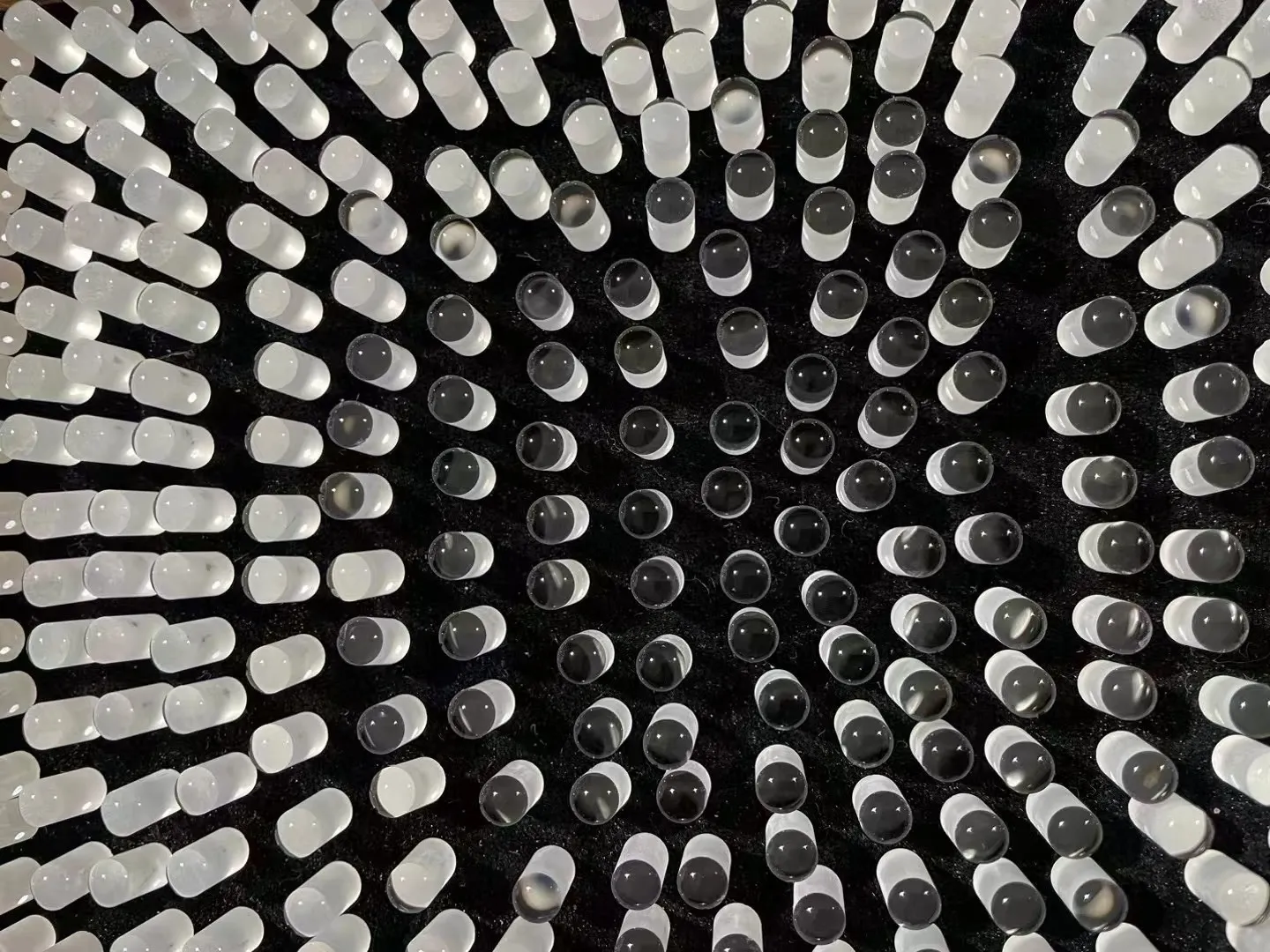
Rod Lenses

These are cylindrical rod-shaped lenses that provide a focused line of light rather than a point. They’re suitable for laser scanners, holography, and optical data processing.

Need Help?

Don’t hesitate to contact us for more information about company or optical lenses

Optical Lenses By Material

k9 lens

K9 Optical Lenses

These lenses are made from K9 glass, offering high transparency and high chemical resistance. They are primarily used in optical applications like imaging and optical detection.

sapphire lens

Sapphire Lenses

Known for their exceptional durability and scratch resistance, these lenses are perfect for high-pressure, high-temperature applications. Sapphire lenses are often utilized in aerospace, defense, and medical systems.

fused silica lens

UV Fused Silica Lenses

Made from ultraviolet grade fused silica, these lenses provide excellent transmission from the UV to the NIR. They are highly resistant to laser damage, making them ideal for UV laser applications.

caf2 lens

CaF2 Lenses

These lenses, made from Calcium Fluoride, have exceptional transmission from UV through to the long wave infrared spectrum. They are mainly used in spectroscopy or laser applications.

baf2 lens

BaF2 Lenses

Made from Barium Fluoride, these lenses are perfect for applications in the UV to the long wave IR spectrum. They are used widely in spectrophotometry

mgf2 lens

MgF2 Lenses

These are made from Magnesium Fluoride and are predominantly used in UV systems due to their excellent transmission properties.

lens

LiF Lenses

Lithium Fluoride lenses have great transmittance in the VUV region and are highly resistant to thermal shock, making them great for deep UV systems.

si lens

Si Lenses

Silicon lenses have excellent infrared properties and are often used in thermal imaging and IR sensing.

znse lens

ZnSe Lenses

Zinc Selenide lenses are mostly used in CO2 laser processing and IR applications due to their wide broadband transmittance.

zns lens

ZnS Lenses

 Used for Infrared applications, these lenses made from Zinc Sulfide offer great resistance to harsh environments.

ge lens

Ge Lenses

Germanium lenses are highly refractive and often used in thermal imaging and FLIR systems.

Need Help?

Don’t hesitate to contact us for more information about company or optical lenses

Optical Lenses By Usage

magnifying lens

Magnifying Lenses

These lenses enlarge the appearance of objects, used in eyeglasses, magnifying glasses, and telescopes.

laser lenses

Laser Lenses

Specifically designed for focusing or collimating laser light, they are used in all optical systems involving lasers.

focusing lenses

Focusing Lenses

These lenses focus light into a point, used in a wide array of optical systems from cameras to telescopes.
endoscope lens

Endoscope Lenses

Found in endoscopes, these lenses are used to provide critical imaging within the human body.

collimator lenses

Collimator Lenses

They create parallel light rays from a diverged source, typically used in spectroscopy and lidar systems.

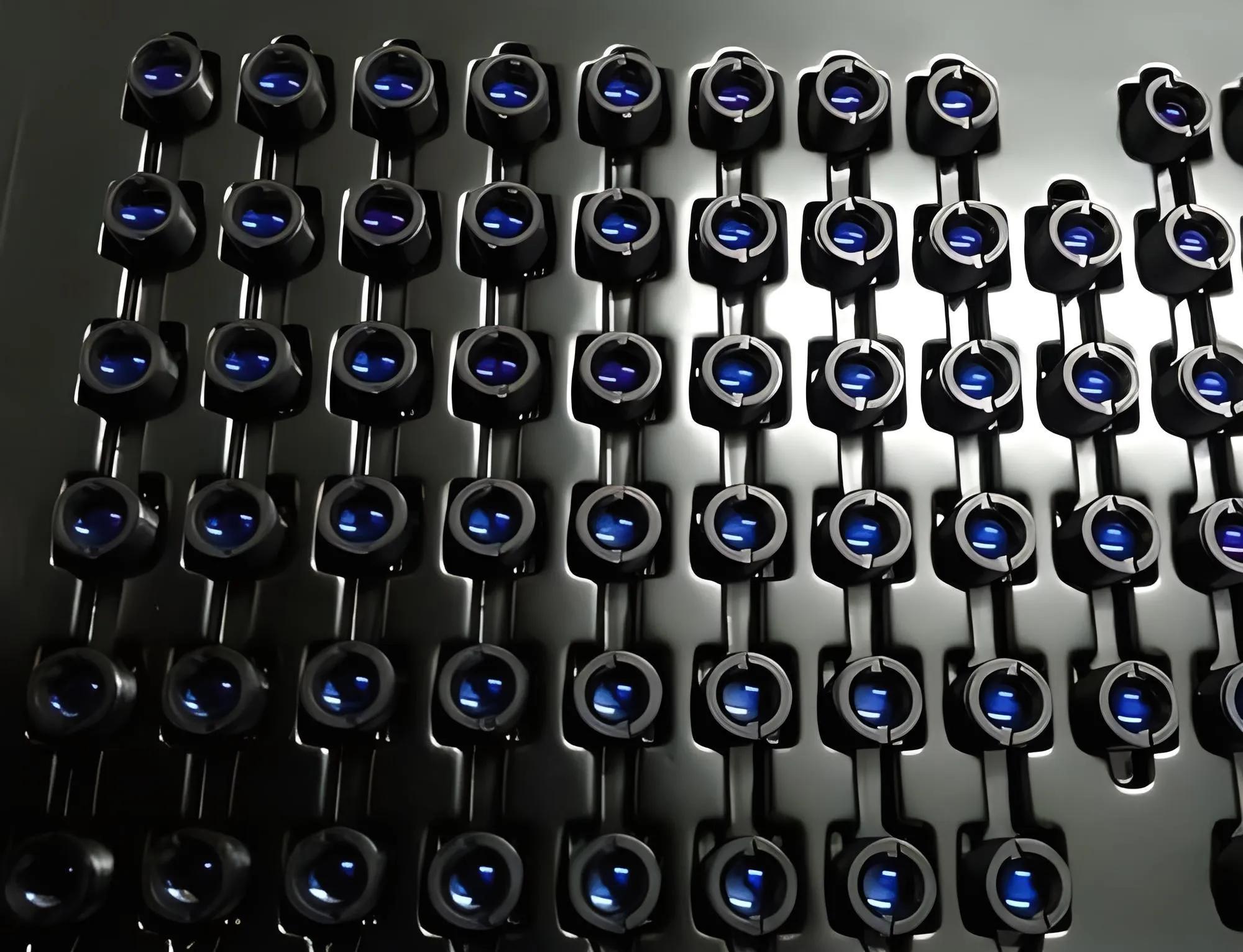
collimating lenses molded

Molded Lenses

These lenses are mass-produced by molding glass or plastic, used in commercial applications such as camera lenses and lighting fixtures.

achromatic lens

Achromatic Lenses

These lenses reduce chromatic aberration by bringing two wavelengths to focus on the same plane. They’re used in applications like microscopy and laser processing.

fresnel lens glass

Fresnel Lenses

These are flat lenses with a complex design used to focus light, often found in lighthouses, traffic lights, and projector lenses.

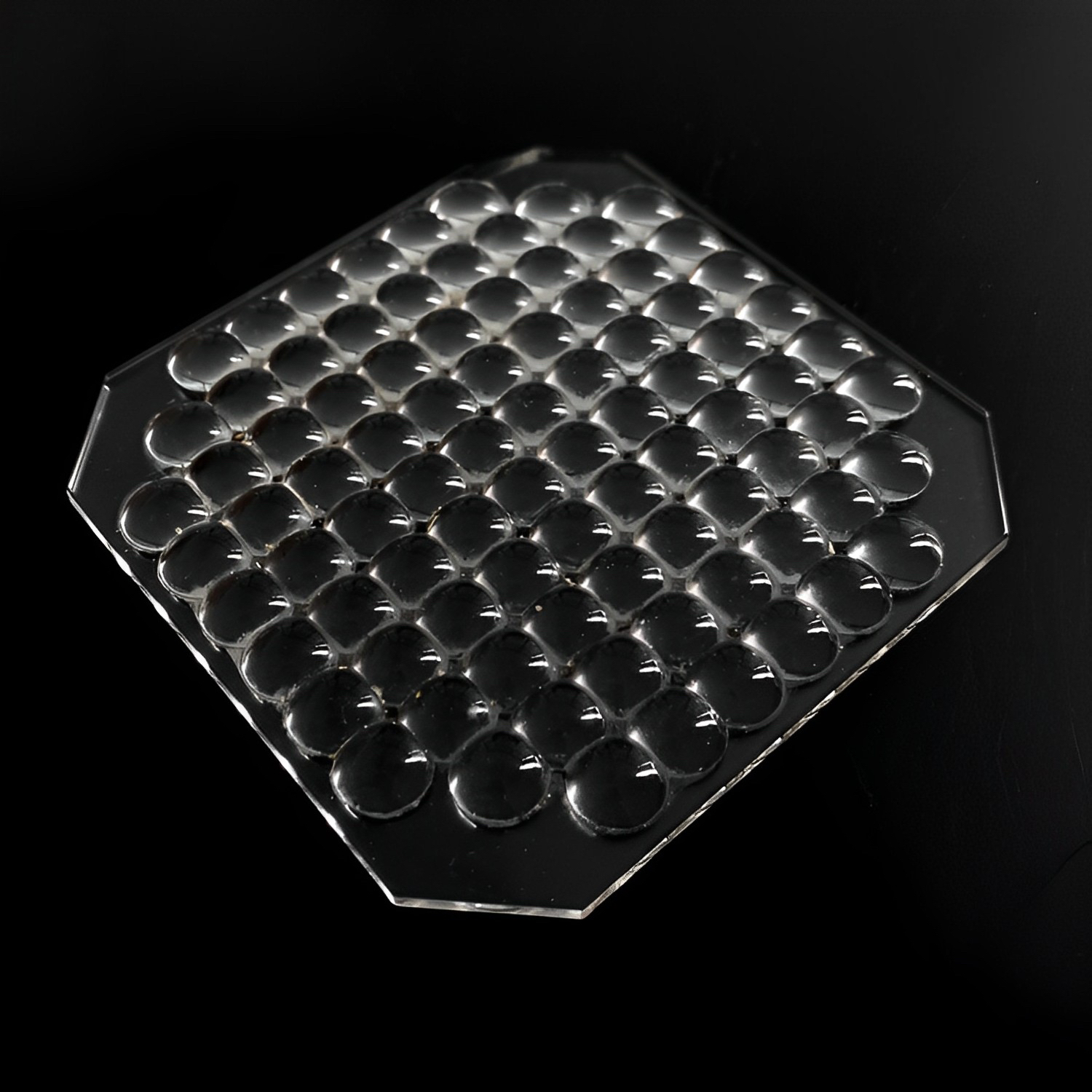
micro lens arrays

Microlens Arrays

These contain multiple tiny lenses, to increase the resolution of an optical system.

fly eye lens

Fly Eye Lenses

They mimic a fly’s eye, consisting of lots of little lenses, enlarging the field of view in cameras.

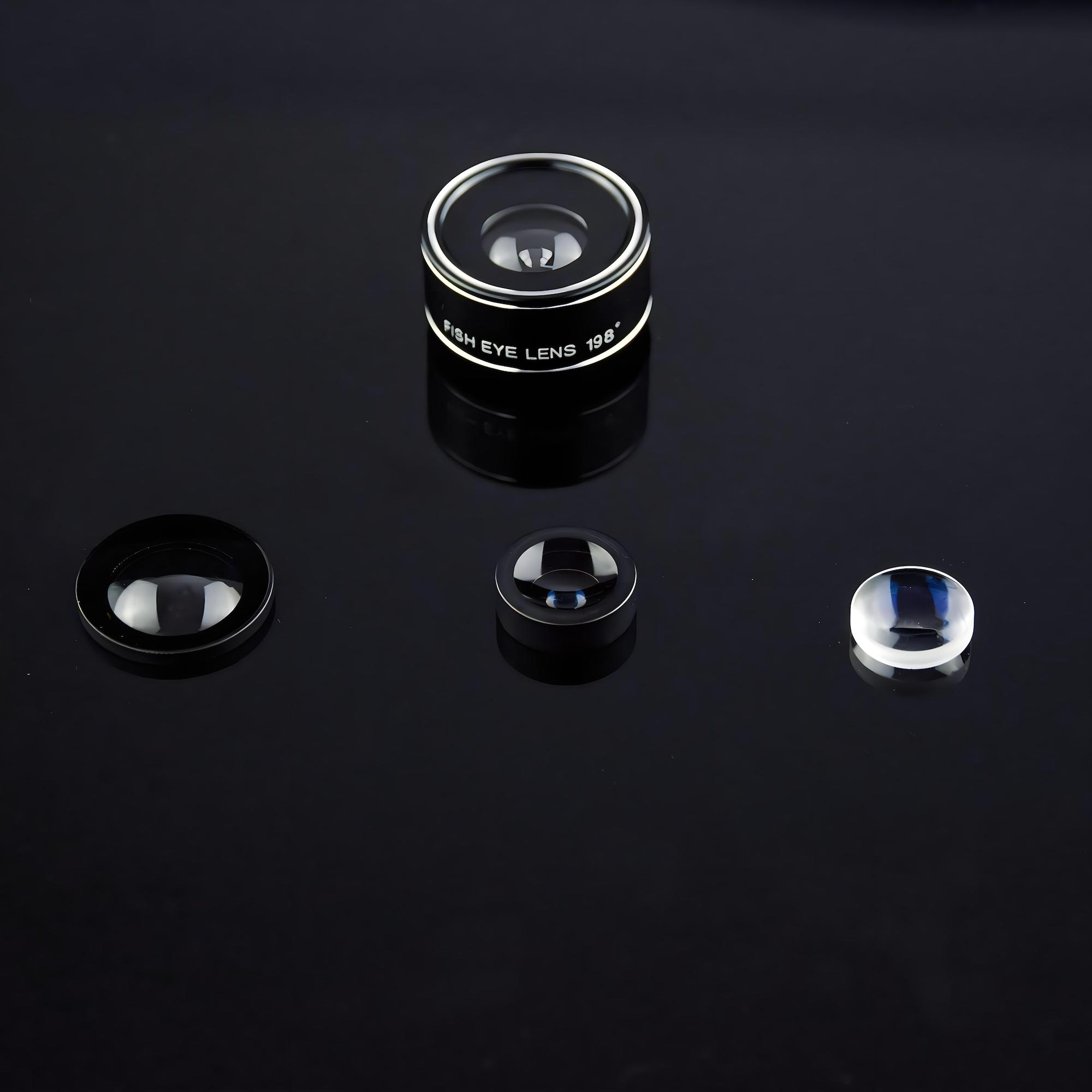
fish eye lens

Fish Eye Lenses

These ultra wide-angle lenses produce a visual distortion intended to create a wide panoramic or hemispherical image.

powell lens set

Powell Lenses

Used to create an evenly illuminated line, rather than a focused spot of light – this makes them ideal for applications like bar code scanning.

Our Manufacturing Facility

Chineselens operates its own factory with a complete set of optical manufacturing equipment. Our head office provides global sales and engineering support.

Production equipment at our factory:

  • CNC spherical grinders: 2 units
  • Single-axis spherical fine grinders: 3 units
  • High-speed spherical polishers: 3 units
  • Double-side polisher: 1 unit
  • Laser centering & edging machine: 1 unit
  • Automatic ultrasonic cleaning line: 1 unit
  • Laser interferometer (Zygo/4D primary): 1 unit
  • Contact profilometer: 1 unit
  • Centering error measuring instrument: 1 unit
  • Spectrophotometer: 1 unit
  • Vacuum optical coating chamber: 1 unit
  • Monthly capacity: 30,000–80,000 lens elements (Φ5–80mm)

Every lens is inspected with laser interferometers, spectrophotometers, white-light interferometers, and CMMs. Quality documentation provided on request: coating T/R curves, interferogram data, surface roughness reports, and material certification.

Optical Materials

Optical Materials We Process

  • N-BK7 / H-K9L
  • UV Fused Silica (JGS1/2/3)
  • SF-Series Flint (N-SF5/6HT/11)
  • ED Crown (N-FK51A)
  • CaF2, BaF2, MgF2
  • Sapphire
  • Silicon, ZnSe, ZnS, Germanium

6-Stage Manufacturing Process

Our 6-Stage Lens Manufacturing Process

  1. Material Selection & Blanking
  2. CNC Grinding & Spherical Generating
  3. Precision Polishing
  4. Centering & Edging
  5. Thin-Film Coating
  6. Metrology & QA

Custom OEM/ODM Services

Custom Lens Design & OEM/ODM Services

  • Optical design — Engineering team optimizes for manufacturability
  • Prototype to volume — Low-MOQ prototypes (from 5 pcs) to volume production (1k–10k+ units/month)
  • 6-week volume production — Industry-competitive lead time
  • IP protection — Strict NDA compliance, isolated production lines for confidential projects
  • Full documentation — Zemax BlackBox files, STEP models, coating curves within 24 hours

Industries Served

Industries We Serve

  • Industrial & Factory Automation
  • Medical & Life Sciences
  • Defense & Security
  • Research & Quantum
  • Consumer Electronics
  • Aerospace

Optical Coating Capabilities

Coating Type

Specification

Application

BBAR (broadband AR)

R_avg < 0.5%, 400–700 / 650–1050 / 900–1600 nm

General purpose

V-coat (single wavelength)

R < 0.25%, 355/532/1064/1550 nm

Laser focusing

High-reflection (HR)

R > 99.5%, dielectric stacks

Laser mirrors, cavities

Dichroic

R/T ratio custom, 400–1600 nm

Beamsplitters, fluorescence

ITO conductive

Sheet resistance 10–500 Ω/sq

Display, touch panel

DLC protective

Hardness > 50 GPa

Harsh environment

FAQ

H2: Frequently Asked Questions

Q1: What is your minimum order quantity for custom lenses?

A: Prototypes from 5 pcs. Volume production 1k–10k+ units/month at our factory.

Q2: How long does custom lens production take?

A: Standard specifications: 2–3 weeks for samples, 6 weeks for volume production. Complex aspheric or cemented designs: 4–6 weeks for prototype.

Q3: Do you provide optical design support?

A: Yes. Our engineering team provides free design-for-manufacturability feedback when you share your drawing or specification.

Q4: What quality documentation do you provide?

A: Coating T/R curves (every lot), interferogram data (for λ/10 and higher grades), surface roughness reports, material certification, LIDT test reports for laser-grade optics.

Q5: Can you match a specific focal length or surface accuracy tolerance?

A: We routinely hold focal length tolerance ±0.1%, surface accuracy λ/20, centration < 30 arcsec.

Q6: What files do you provide for custom lens projects?

A: Zemax BlackBox or Code V HLM files, STEP 3D models, 2D drawings in PDF/DWG, coating curves, and full dimensional inspection reports.
Latest Applications Used

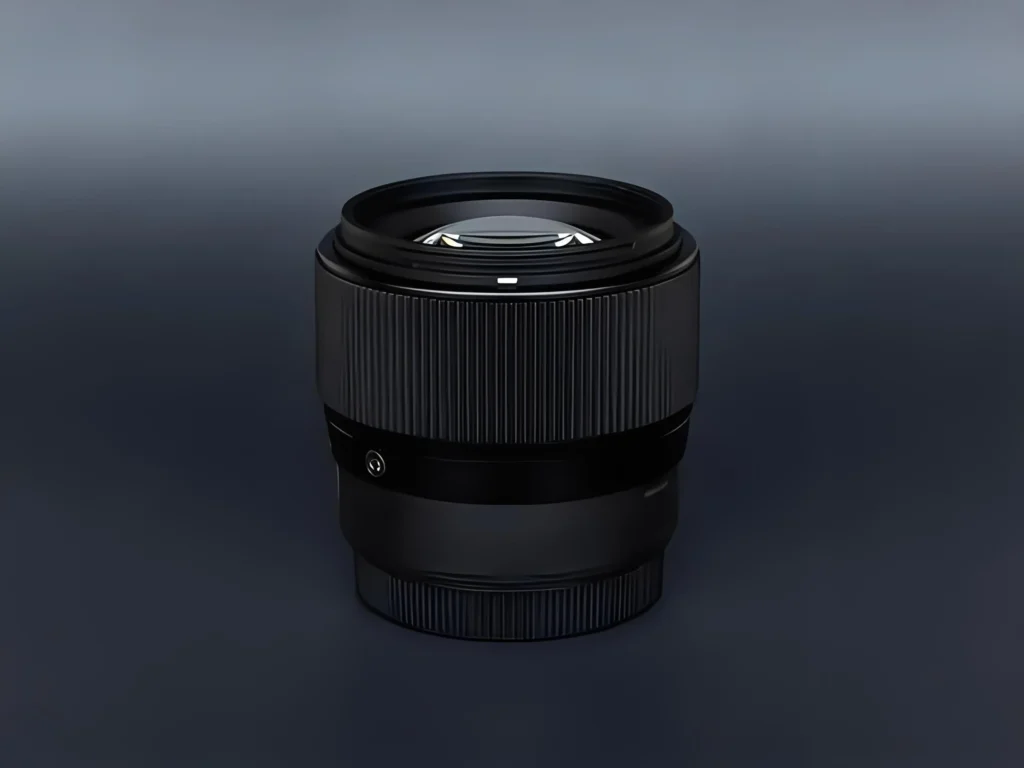
camera lenses

Camera Lenses

The most important part of a camera is the lens because the quality of the lens directly affects the quality of the picture taken. It is also one of the most critical ways to divide cameras into different types. In general, you can divide cameras into three groups based on their lenses: professional, semi-professional, and regular. This can be done with both traditional film cameras and digital cameras. There are two main types of lenses: zoom lenses and lenses with a fixed focal length.

night vision devices

Night Vision Devices

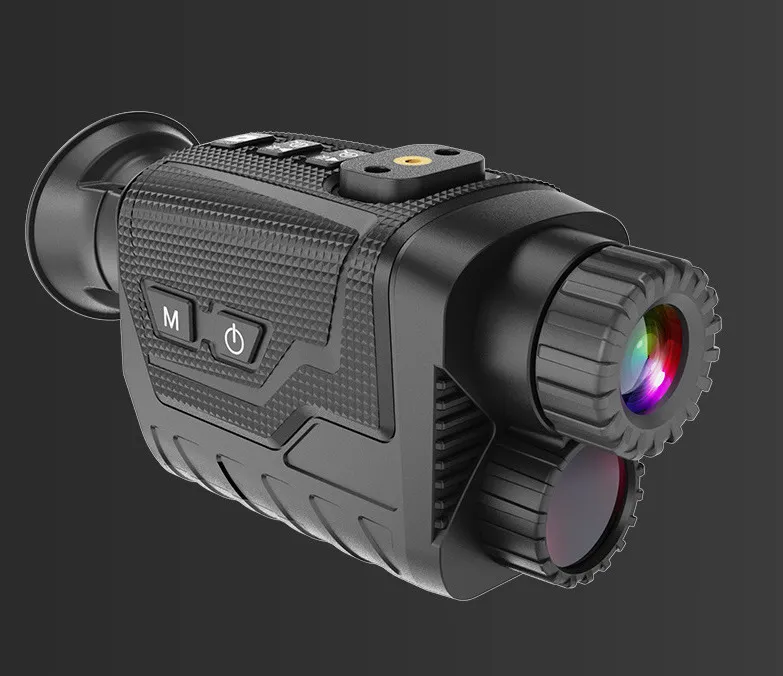
Night vision devices are external night sight that operates without an infra-red searchlight to illuminate the target but use the light reflected from the target in low light to be enhanced to a visible image on a fluorescent screen by an image intensifier to observe and aim at the target.

projector lenses

Projector Lenses

Projection lenses are replaceable lenses used in professional projectors. Depending on the distance of the projector and the size of the screen to be played, they are classified as short focal length lenses, medium focal length lenses, long focal length lenses, and special scene lenses.

laser collimator lens

Laser Collimating Lenses

Laser collimating lenses are usually used when the angle of the laser light’s divergence needs to be reduced to make parallel light transmission possible. They have high transmittance and deficient absorption. Customers can get high-quality laser collimating lenses from us that have a high threshold for damage and are used in UV, visible, infrared, and other wavelengths.

Connect with Our Experts

We're here to help

Request a quote
This site is protected by reCAPTCHA and the Google Privacy Policy and Terms of Service apply.

Ready to Start Your Custom Lens Project?

Send us your drawing, specification, or concept — our engineering team responds within 24 hours with feasibility feedback, lead time, and pricing.

Address

No. 12 East Yanhe Road, Yancheng City, Jiangsu Province, China

Call Us

+86-18005107299

Email Address

chineselens@foxmail.com

Email Address

sales@recovery.chineselens.com

WhatsApp

+8618005107299

Wechat

nuli7711

Send Inquiry

Popup Email

This site is protected by reCAPTCHA and the Google Privacy Policy and Terms of Service apply.

start your custom quote

Popup Email

This site is protected by reCAPTCHA and the Google Privacy Policy and Terms of Service apply.